
Can you sell a car with an open recall? Yes, in most cases you can legally sell a vehicle with an open recall, but the process depends on state laws, dealership policies, and whether you are selling the car privately or trading it in. Open recalls can affect the vehicle’s value, buyer interest, financing options, and overall safety, so understanding the details before listing the car is important.
Vehicle recalls are issued when manufacturers discover safety defects or compliance issues that could put drivers, passengers, or others at risk. These recalls may involve airbags, brakes, fuel systems, electrical components, steering systems, or software problems. Even though recalls are common, many vehicle owners are unsure whether they can legally transfer ownership before repairs are completed.
How Open Recalls Affect Selling a Vehicle
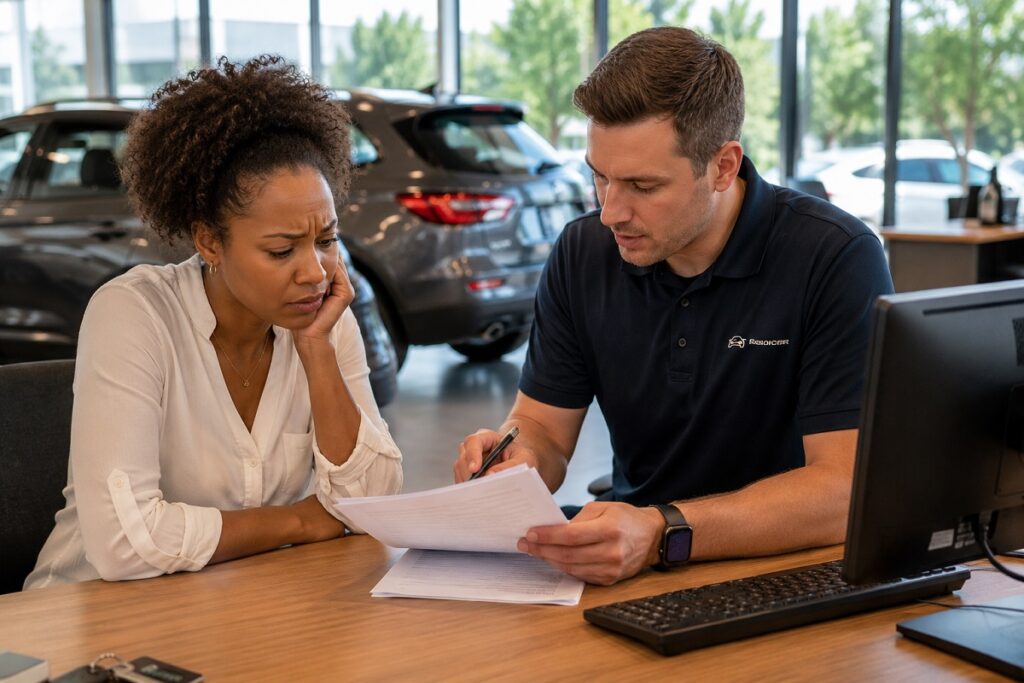
An open recall does not automatically prevent a car from being sold. However, it can create obstacles during the sale process.
Buyers are more cautious about vehicles with unresolved safety issues, especially when the recall involves serious defects. Dealerships may also hesitate to accept certain recalled vehicles until repairs are completed.
Some of the most common ways open recalls affect a sale include:
- Lower resale value
- Reduced buyer confidence
- Longer selling time
- Potential financing complications
- Extra paperwork or disclosures
- Delays in dealership trade-ins
The impact often depends on the severity of the recall and whether replacement parts are available.
Selling a Car Privately With an Open Recall
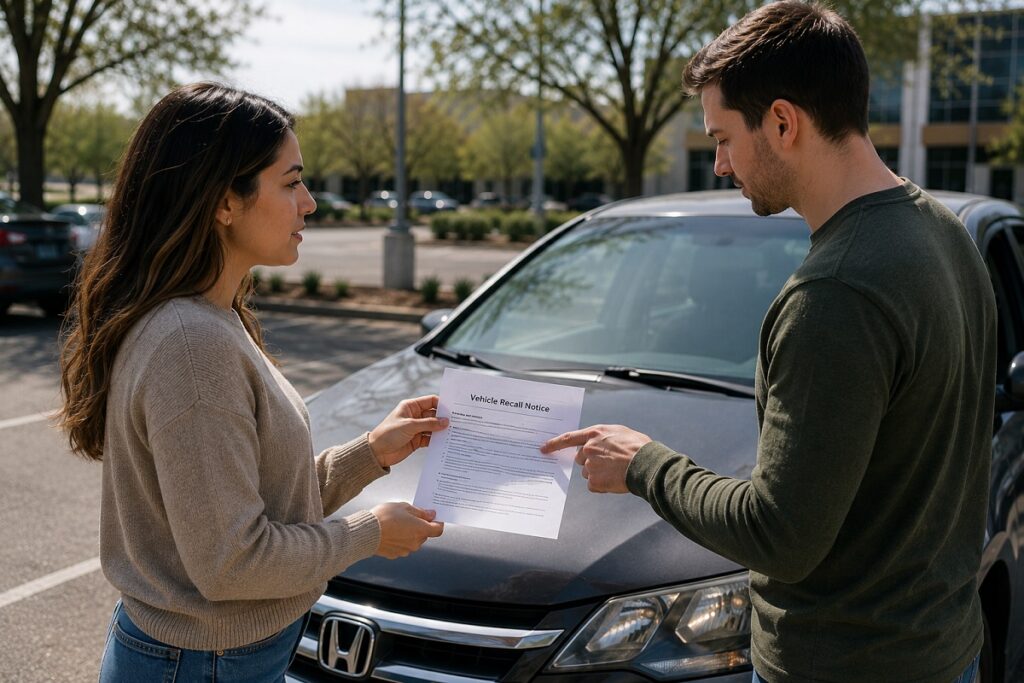
Private sales are generally allowed even if the vehicle has an unresolved recall. In most states, there is no law requiring the recall repair to be completed before ownership changes hands.
Still, honesty is critical during the transaction.
Information You Should Share With Buyers
When selling privately, disclose all known recalls and provide documentation whenever possible. Buyers appreciate transparency, and it helps protect you from future disputes.
Useful information to provide includes:
- Recall notice letters
- Repair records
- Vehicle history reports
- VIN lookup results
- Manufacturer repair availability
A buyer can easily check recall information online using the vehicle identification number.
Why Disclosure Matters
Failing to disclose an open recall could create legal issues if the buyer later claims you intentionally hid safety problems. While laws vary by state, clear communication reduces liability risks and helps build trust during negotiations.
Can Dealerships Sell Cars With Open Recalls?
Dealership rules are more complicated than private sales.
Franchised dealerships are often restricted by federal law regarding certain recalled vehicles, especially when the recall involves new cars. Used vehicles may also face restrictions depending on the manufacturer and recall type.
New Vehicles
New cars with unrepaired safety recalls generally cannot be sold until the recall repair is completed. Manufacturers and federal safety regulations place strict limits on selling affected inventory.
Used Vehicles
Used vehicles are handled differently. Some dealerships may still sell used cars with open recalls, while others refuse to list them until repairs are completed.
Policies vary because dealerships want to avoid:
- Liability concerns
- Customer complaints
- Reputation damage
- Delays caused by unavailable parts
Luxury dealerships and certified pre owned programs often require all recalls to be resolved before resale.
Trading In a Car With an Open Recall
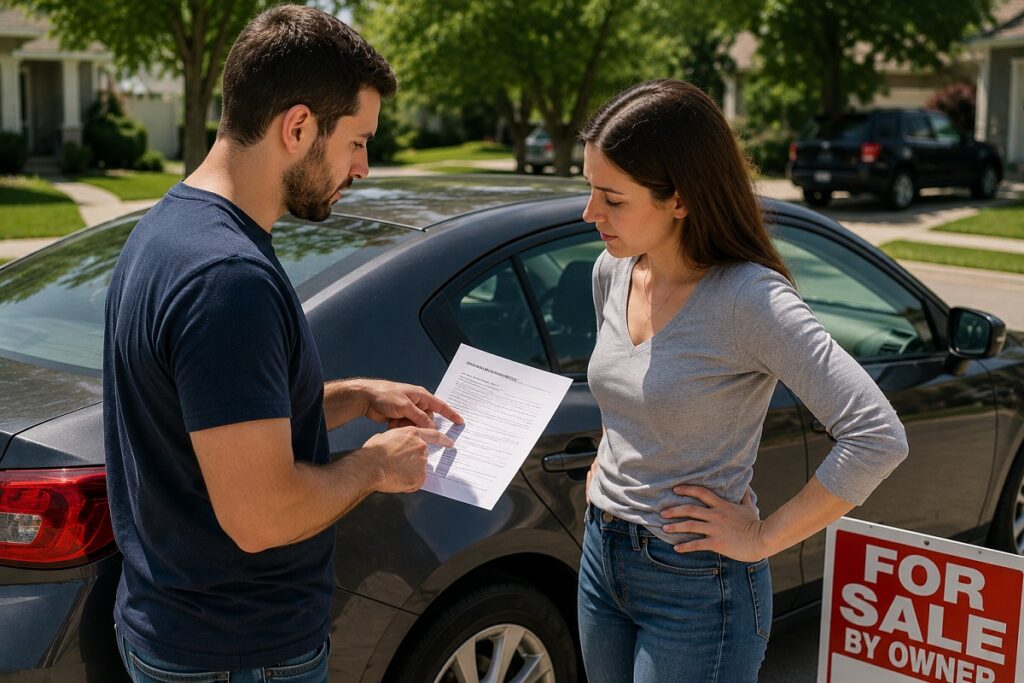
Most dealerships will still accept trade-ins with open recalls, but the offer may be lower than expected.
The dealership usually factors repair costs, repair delays, and resale risks into the appraisal value.
Factors That Influence Trade-In Value
Several things can affect how much your recalled car is worth:
Severity of the Recall
Major safety recalls involving airbags, fire risks, or brake failures can significantly reduce value.
Availability of Parts
If replacement parts are unavailable, the dealership may hold the vehicle for weeks or months before reselling it.
Vehicle Demand
Popular vehicles with minor recalls may experience only small value reductions.
Overall Condition
Mileage, accident history, maintenance records, and cosmetic condition still play major roles in determining trade-in value.
States With Recall Disclosure Requirements
Some states require sellers to disclose known safety recalls during private vehicle sales. Requirements can vary, so checking local regulations before listing the car is recommended.
In certain cases, dealerships may have stricter obligations than private individuals. Consumer protection laws may also apply if misleading statements are made during the sale.
Because laws can change, sellers should verify requirements through their state motor vehicle agency or consumer protection office.
Colorado Recall Disclosure Requirements
Colorado does not prohibit private sellers from selling a car with an open recall, but sellers should disclose known safety recalls to avoid potential disputes or consumer fraud claims. Most private vehicle sales are considered “as is,” though misleading buyers about recall issues can still create legal problems.
Dealerships in Colorado often follow stricter policies and may repair recalls before reselling a vehicle, especially for serious safety defects. Buyers and sellers can check open recalls using the vehicle’s VIN through the manufacturer or the National Highway Traffic Safety Administration database.
How to Check for Open Recalls Before Selling
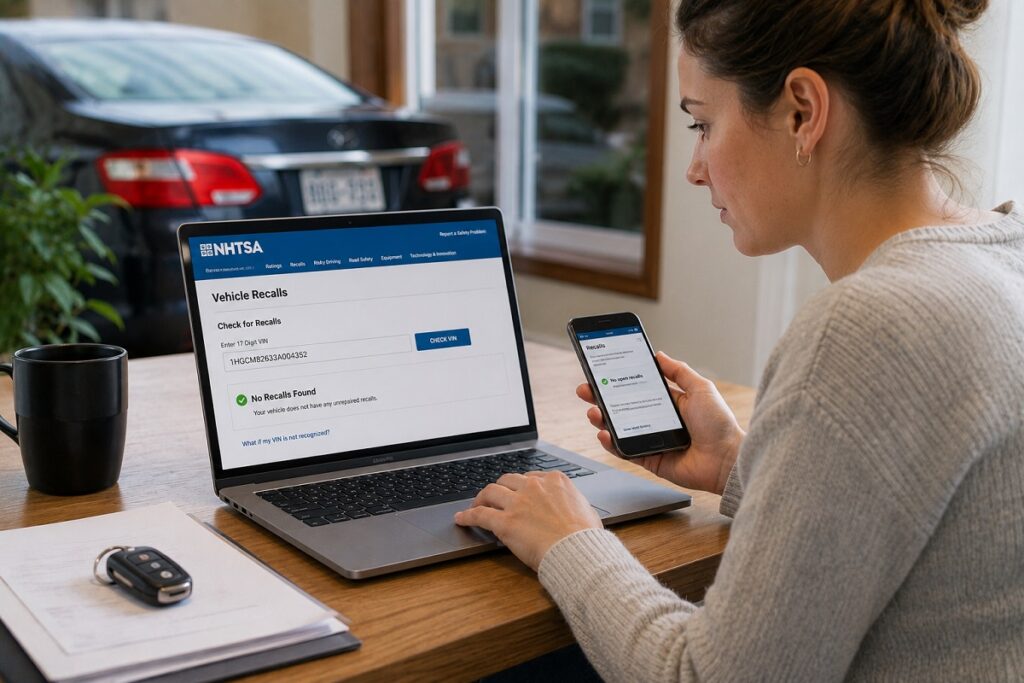
Checking for open recalls is simple and should be done before advertising the vehicle.
Use the Vehicle Identification Number
The VIN allows owners and buyers to search for active recalls through official databases and manufacturer websites.
You can usually find the VIN:
- On the dashboard near the windshield
- Inside the driver’s door frame
- On the registration paperwork
- On insurance documents
Review Recall Repair History
If previous recalls were repaired, gather the repair invoices and dealership records. Buyers often feel more comfortable when they can verify completed recall work.
Should You Repair the Recall Before Selling?
Completing recall repairs before selling is often the best option when possible.
Recall repairs are usually free through authorized dealerships, making it easier to improve buyer confidence without paying out of pocket.
Benefits of Completing Recall Repairs
Repairing the recall before listing the vehicle can help:
- Increase resale value
- Improve buyer trust
- Speed up the sale process
- Reduce negotiation pressure
- Eliminate liability concerns
- Expand dealership trade-in options
In many situations, the repair appointment may only take a few hours.
When Repairs May Not Be Immediately Possible
Some recalls involve shortages of replacement parts or long waiting lists. If repairs are unavailable, sellers should provide documentation proving they attempted to schedule service.
This helps reassure buyers that the issue is already being addressed.
Financing and Insurance Issues With Open Recalls
Some buyers may face financing or insurance complications when purchasing a recalled vehicle.
Lenders and insurers generally focus on risk. Severe recalls can create concerns about vehicle safety and long-term reliability.
Financing Challenges
Certain lenders may hesitate to finance vehicles with unresolved recalls involving major safety defects. While this is not always common, it can slow down the approval process.
Insurance Considerations
Insurance companies typically continue covering recalled vehicles, but unresolved defects may complicate claims if an accident is connected to the recall issue.
Buyers often prefer repairs to be completed before finalizing coverage.
Certified Pre Owned Vehicles and Open Recalls
Certified pre owned vehicles usually must meet strict manufacturer standards, including recall completion requirements.
A vehicle with an unresolved recall often cannot qualify for certified status until all repairs are finished.
This matters because certified pre owned vehicles usually command higher resale prices and attract more buyers due to warranty protections and inspection standards.
Common Vehicle Recalls That Affect Resale Value
Some recalls create more concern among buyers than others.
Examples include:
- Airbag recalls
- Engine fire risks
- Brake system defects
- Steering failures
- Battery fire recalls
- Fuel leak issues
- Transmission defects
- Electrical short circuits
High-profile recalls that receive major media coverage often have a stronger impact on vehicle value and buyer perception.
Tips for Selling a Car With an Open Recall
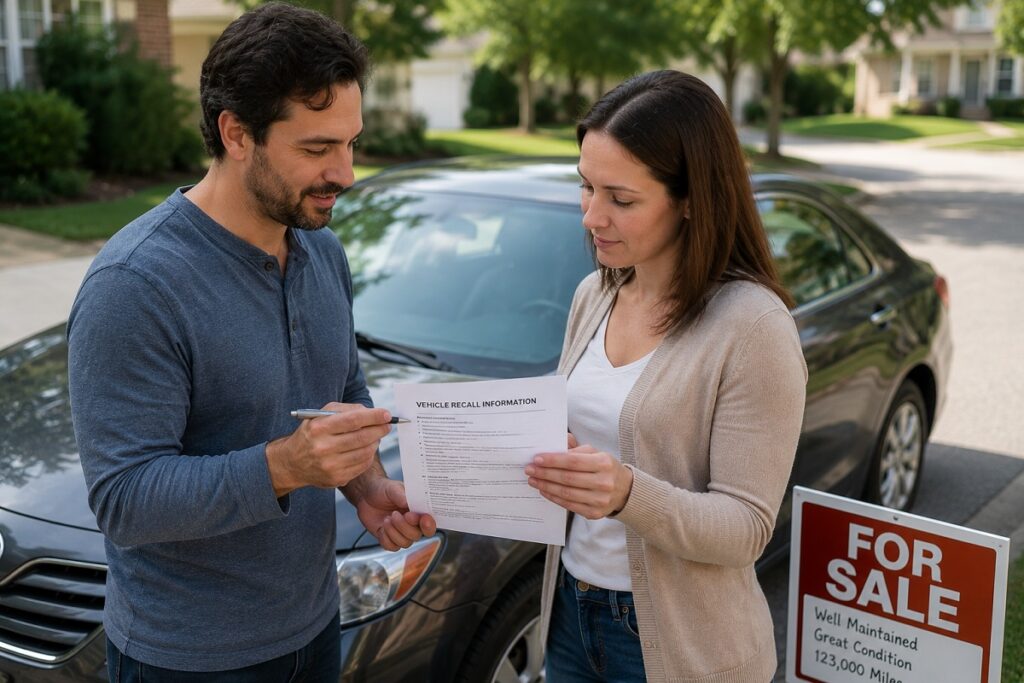
Selling a recalled vehicle becomes easier when you prepare properly and stay transparent.
Gather All Vehicle Records
Keep organized paperwork that includes:
- Maintenance history
- Recall notices
- Repair invoices
- Inspection reports
- Vehicle title
- Registration records
Price the Vehicle Realistically
Research market prices for similar vehicles and account for the recall when setting your asking price.
Overpricing a recalled vehicle can discourage serious buyers.
Explain the Recall Clearly
Be prepared to explain:
- What the recall involves
- Whether repairs are available
- Whether parts are on backorder
- Whether the issue affects drivability
Accurate explanations help buyers make informed decisions.
Consider Completing Repairs First
If the repair is available and free, scheduling the recall service before listing the vehicle may improve your chances of a faster sale.
Buyer Rights When Purchasing a Recalled Vehicle
Buyers have the right to ask questions, request vehicle history reports, and verify recall status independently.
Before purchasing a vehicle with an open recall, buyers should:
- Check the VIN for active recalls
- Request repair documentation
- Ask whether parts are available
- Verify dealership service appointments
- Review state disclosure laws
Careful research helps buyers avoid unexpected repair delays or safety concerns after purchase.
What Sellers Should Remember Before Listing a Recalled Vehicle
Open recalls do not automatically stop a vehicle sale, but they can affect negotiations, resale value, and buyer confidence. Sellers who address recalls early, provide full disclosure, and maintain accurate records often experience smoother transactions.
Completing free recall repairs whenever possible is usually the simplest way to protect the vehicle’s value and attract more interested buyers. Even when repairs are delayed, honest communication and proper documentation can make the selling process much easier for everyone involved.
Content reviewed and published by Sell My Car Colorado Editorial Team.