
Why a running junk car gets a higher offer is one of the most common questions sellers ask when comparing cash offers. Even if a vehicle is old, damaged, or no longer roadworthy for daily use, the ability to start and move under its own power directly increases its value. Buyers see a running junk car as a lower-risk purchase with more resale, parts, and recycling potential, which is why offers are consistently higher.
A vehicle that still runs gives buyers more options. Those options translate into stronger demand and better cash payouts for sellers.
The Value Difference Between Running and Non-Running Vehicles
When a junk car still runs, it changes how buyers evaluate it. Instead of being limited to scrap value alone, the car can be assessed for parts reuse, resale, or refurbishment.
A non-running junk car is often priced strictly by weight and metal content. A running junk car adds functional value on top of scrap value.
Key differences buyers consider include:
- Whether the engine turns over and stays running
- Ability to drive the car onto a trailer
- Condition of major systems like transmission and drivetrain
- Reduced labor and towing costs
These factors directly impact how much cash buyers are willing to pay.
Reduced Towing and Handling Costs Increase Offers
One of the biggest reasons a running junk car gets a higher offer is lower transportation expense. When a car runs, it can be driven or easily loaded instead of dragged or winched.
Buyers save money on:
- Specialized towing equipment
- Extra labor for loading non-running vehicles
- Time spent recovering immobilized cars
- Risk of damage during transport
When costs go down for the buyer, the savings are often passed back to the seller in the form of a higher cash offer.
Engine and Drivetrain Condition Drives Price
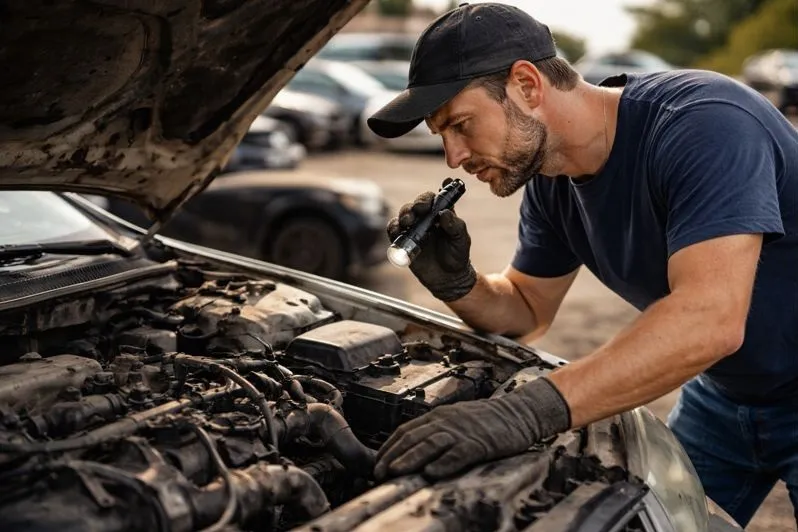
A running engine is one of the most valuable components in any junk car. Even if the vehicle has body damage or interior wear, a working engine and transmission significantly raise its worth.
Buyers look closely at:
- Engine startup and idle quality
- Transmission engagement and shifting
- Absence of major knocking or grinding sounds
- Ability to move forward and reverse
A running drivetrain means parts can be tested, resold, or reused with confidence. This reliability increases buyer interest and bidding competition.
More Resale and Rebuild Potential
A running junk car opens doors that a non-running vehicle does not. Buyers may consider reselling the car whole, fixing minor issues, or using it as a donor vehicle for rebuild projects.
Because the car already runs:
- Diagnostic time is reduced
- Repairs are easier to assess
- Buyers can estimate resale value more accurately
This added potential leads to higher offers, especially for vehicles with popular makes, models, or engines.
Higher Demand in the Used Parts Market
Running junk cars are often dismantled for parts, but running vehicles allow buyers to verify part functionality before removal. Tested parts sell faster and at higher prices.
High-value parts include:
- Engines and transmissions
- Alternators and starters
- Fuel systems and injectors
- Electronic control modules
Since buyers can confirm performance before dismantling, they are willing to pay more upfront for the vehicle.
Easier Inspections and Faster Transactions
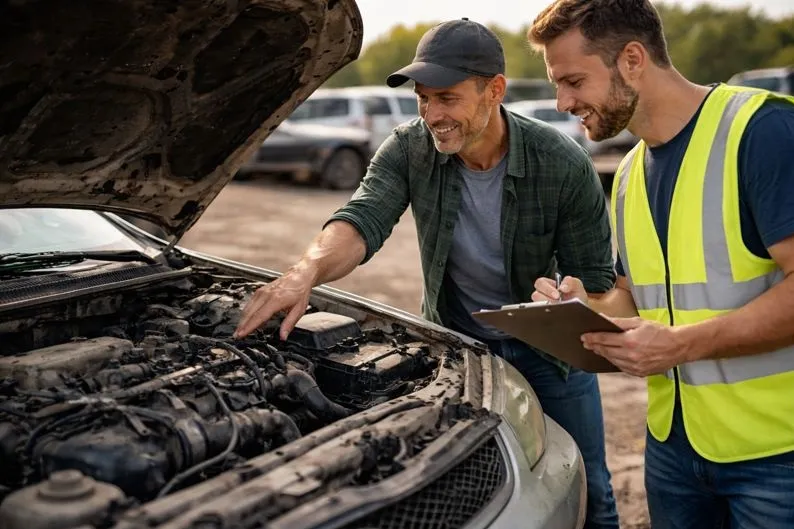
A running vehicle simplifies the buying process. Buyers can quickly inspect the car, listen to the engine, and confirm basic functionality without extensive diagnostics.
This leads to:
- Faster offer approvals
- Fewer price adjustments after inspection
- Less negotiation friction
Sellers benefit from quicker payouts and fewer surprises during the sale.
Scrap Value Plus Functional Value
Even if a running junk car is destined for recycling, it still carries scrap value. The difference is that running vehicles add functional value on top of raw material pricing.
Scrap buyers consider:
- Vehicle weight
- Steel and aluminum content
- Catalytic converter presence
When the car runs, buyers can justify paying above scrap pricing because they can recover additional profit through parts or resale.
Less Risk for Buyers Means Better Offers
Risk plays a major role in junk car pricing. A non-running car may have hidden issues such as seized engines, damaged frames, or missing components.
A running car reduces uncertainty because:
- Major systems are proven functional
- There is less chance of total mechanical failure
- Buyers can estimate repair costs more accurately
Lower risk allows buyers to confidently offer more money.
Popular Models Benefit Even More When Running
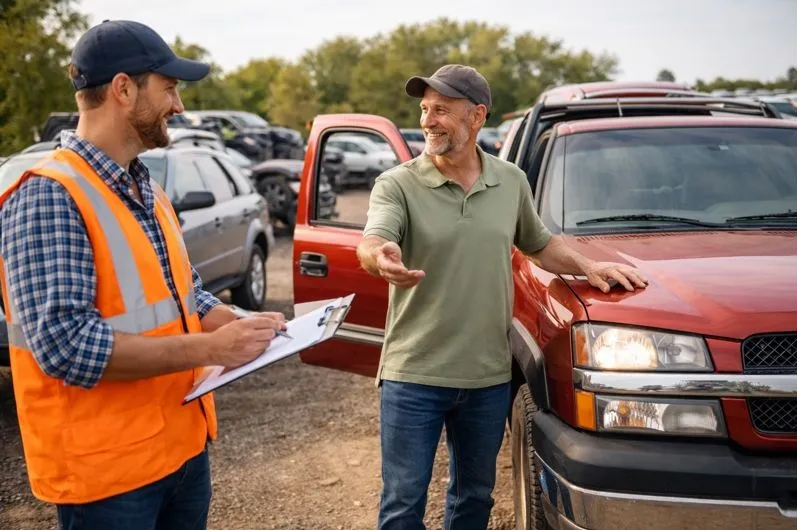
Certain vehicles command higher offers when they run due to strong market demand. Trucks, SUVs, and reliable economy cars often fetch significantly higher prices if they are operational.
Examples of vehicles that benefit most include:
- Pickup trucks with working engines
- Older SUVs with functional drivetrains
- Compact cars known for reliability
- Vehicles with interchangeable parts across model years
When these vehicles still run, buyers see immediate resale or parts value.
Running Cars Attract More Buyers
More buyers compete for running junk cars than non-running ones. Increased competition naturally pushes prices higher.
Buyers include:
- Salvage yards
- Independent mechanics
- Used car dealers
- Exporters and rebuilders
With more interested parties, sellers gain leverage and receive stronger offers.
Ability to Sell Without Immediate Repairs
Sellers often assume they need to fix a junk car before selling it. When the car already runs, buyers rarely expect repairs. They focus on current functionality rather than cosmetic perfection.
This allows sellers to:
- Avoid spending money on fixes
- Sell the car as-is
- Maximize profit without added investment
A running condition is often enough to secure a higher payout without additional effort.
Environmental and Recycling Incentives
Running vehicles are easier to process responsibly. Buyers can recover usable components before recycling materials, increasing overall value.
Environmental benefits include:
- Reduced waste from reusable parts
- Efficient dismantling processes
- Lower emissions during handling
These efficiencies indirectly support higher offers due to improved recovery rates.
Why Honest Disclosure Still Matters
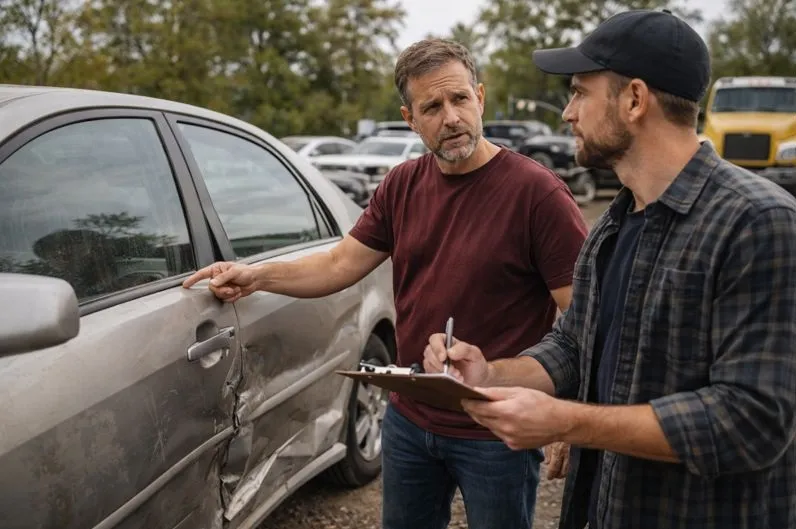
Even when a junk car runs, transparency is important. Buyers base offers on accurate information about condition, mileage, and known issues.
Being honest about:
- Warning lights
- Engine noises
- Transmission behavior
helps ensure the final offer remains consistent and avoids last-minute reductions.
Maximizing Your Offer for a Running Junk Car
Sellers can improve their payout by presenting accurate details and emphasizing the car’s running condition.
Helpful steps include:
- Starting the car before pickup
- Confirming it can move forward and reverse
- Having the title ready if available
- Sharing recent maintenance history if known
These small actions help buyers feel confident and justify higher offers.
A running junk car consistently commands a higher price because it offers flexibility, lower risk, and greater profit potential for buyers. From reduced towing costs to increased resale and parts value, operational vehicles stand out in the junk car market. Sellers who understand these factors are better positioned to secure the strongest possible cash offer without unnecessary repairs or delays.
Content reviewed and published by Sell My Car Colorado Editorial Team.