
Selling a fleet vehicle involves more than listing it for sale and accepting the highest offer. Businesses and organizations that rely on fleet management must navigate pricing strategies, vehicle condition assessments, documentation, and buyer expectations to achieve the best return. Understanding what to expect when selling a fleet vehicle can help streamline the process, reduce downtime, and maximize resale value.
Preparing Fleet Vehicles for Sale
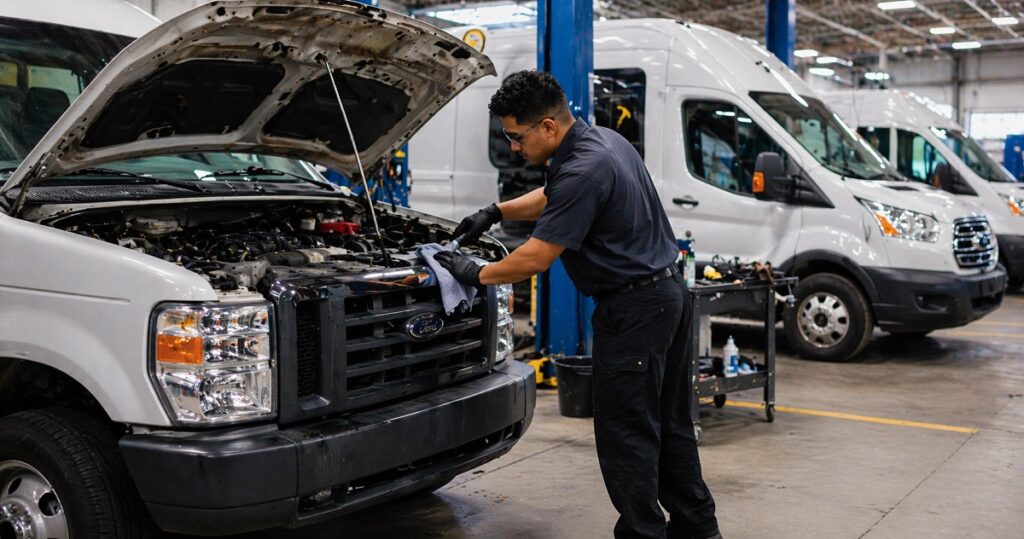
Before listing any fleet vehicle, preparation plays a major role in attracting buyers and securing competitive offers. Buyers often expect fleet vehicles to have higher mileage, but they still look for signs of proper maintenance and care.
Vehicle Inspection and Condition Assessment
A detailed inspection is essential. This helps identify issues that could lower the resale value or delay the sale.
- Check engine performance, brakes, and transmission
- Inspect tires for wear and replace if necessary
- Address minor repairs like dents, scratches, or broken lights
- Ensure all fluids are topped off and clean
Fleet vehicles that show consistent maintenance records tend to sell faster and at higher prices.
Cleaning and Presentation
First impressions matter, even for commercial vehicles.
- Perform a thorough interior and exterior cleaning
- Remove company decals, branding, or wraps
- Eliminate odors and clutter from the cabin
- Consider professional detailing for higher-value units
A clean, well-presented vehicle signals reliability and care to potential buyers.
Understanding Market Value and Pricing Strategy
Pricing a fleet vehicle correctly is one of the most important steps. Overpricing can lead to long selling times, while underpricing reduces profit margins.
Factors That Influence Fleet Vehicle Value
Several elements impact how much a fleet vehicle is worth in the resale market:
- Mileage and overall wear
- Vehicle age and model year
- Service and maintenance history
- Market demand for that vehicle type
- Condition of key components
Commercial vehicles like vans, trucks, and utility vehicles often retain value if they are known for durability.
Setting a Competitive Price
To determine the right price:
- Research similar vehicles in your area
- Use online valuation tools for fleet vehicles
- Consider wholesale versus retail pricing
- Adjust based on condition and urgency to sell
A well-researched pricing strategy helps attract serious buyers quickly.
Choosing the Right Sales Channel
Where you sell your fleet vehicle can significantly affect both the speed of the sale and the final price.
Common Sales Options
Each option comes with its own advantages and trade-offs:
- Dealership trade-ins
- Faster process
- Lower payout compared to private sales
- Fleet vehicle auctions
- Efficient for selling multiple vehicles
- Prices can vary depending on demand
- Private buyers
- Higher potential return
- Requires more time and effort
- Online marketplaces
- Wider audience reach
- Requires strong listings and communication
Choosing the right channel depends on whether your priority is speed, convenience, or maximizing value.
Managing Documentation and Compliance
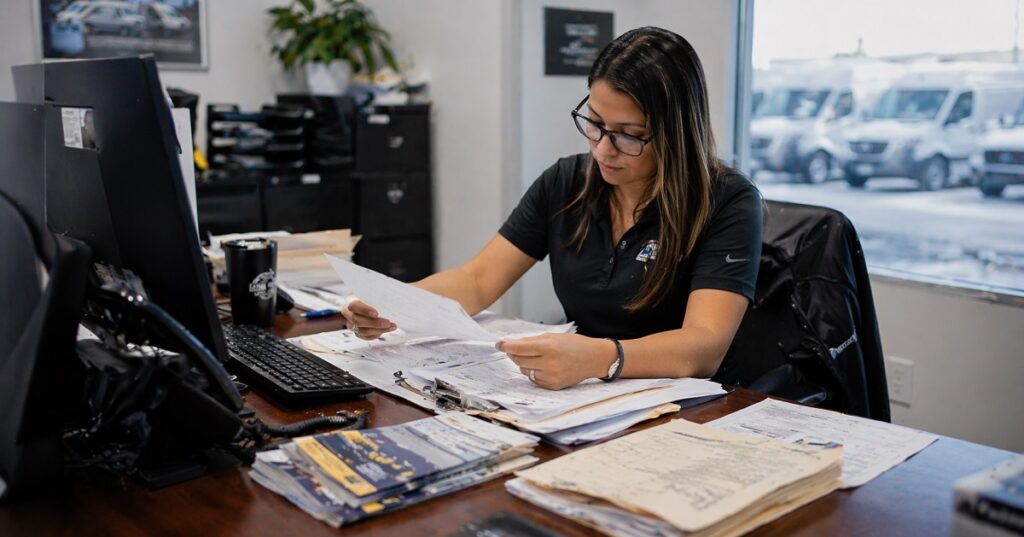
Selling a fleet vehicle involves more paperwork than a typical private sale, especially for businesses.
Essential Documents to Prepare
Having all documents ready helps avoid delays and builds trust with buyers.
- Vehicle title and registration
- Maintenance and service records
- Emissions and inspection certificates
- Bill of sale documentation
- Odometer disclosure statements
Accurate and complete paperwork reduces the risk of legal issues after the sale.
Removing Business Liability
Before transferring ownership:
- Cancel or transfer insurance coverage
- Remove the vehicle from your fleet management system
- Ensure all toll accounts or tracking devices are disconnected
- Notify relevant departments within your organization
This step prevents ongoing liability once the vehicle is no longer in your possession.
Timing the Sale for Maximum Value
Timing can influence how much you get when selling a fleet vehicle. Market demand fluctuates based on season, industry trends, and economic conditions.
Best Times to Sell Fleet Vehicles
- End of fiscal quarters when buyers seek deals
- Spring and summer for higher vehicle demand
- Before major maintenance milestones
- When market demand for specific vehicle types is high
Selling at the right time can increase buyer competition and improve pricing outcomes.
Handling Multiple Vehicle Sales
If you are selling multiple fleet vehicles, organization and efficiency become critical.
Streamlining the Process
- Group similar vehicles together for bulk sales
- Standardize inspections and reports
- Use batch listings on online platforms
- Coordinate logistics for vehicle pickups or deliveries
Bulk sales can attract larger buyers such as dealerships or resellers, often speeding up the process.
Inventory Management Considerations
- Track which vehicles are listed, sold, or pending
- Monitor pricing trends across your inventory
- Adjust listings based on buyer feedback
Efficient management ensures you avoid confusion and maintain accurate records throughout the sale.
Negotiating with Buyers
Negotiation is a standard part of selling fleet vehicles. Buyers often expect some flexibility, especially when purchasing multiple units.
What Buyers Typically Look For
- Evidence of regular maintenance
- Transparency about vehicle condition
- Competitive pricing compared to similar listings
- Quick and smooth transaction process
Tips for Successful Negotiation
- Set a minimum acceptable price in advance
- Be prepared to justify your pricing with data
- Offer incentives for bulk purchases
- Stay professional and responsive
Strong negotiation skills can significantly impact your final return.
Managing Buyer Expectations

Fleet vehicles are often used heavily, so buyers expect some wear. However, clear communication helps prevent misunderstandings.
Being Transparent About Condition
- Disclose any known issues upfront
- Provide detailed photos and descriptions
- Share maintenance records when available
Transparency builds trust and reduces the likelihood of disputes after the sale.
Setting Realistic Expectations
- Highlight both strengths and limitations of the vehicle
- Avoid overstating condition or performance
- Clarify terms of sale, including warranties if applicable
Honest listings tend to attract more serious and qualified buyers.
Logistics and Vehicle Transfer
Once a sale is agreed upon, the final step is transferring the vehicle efficiently.
Coordinating Pickup or Delivery
- Schedule a convenient pickup time
- Ensure the vehicle is ready and accessible
- Verify buyer identity and payment method
- Provide all necessary documentation at handover
Payment and Security
- Use secure payment methods such as bank transfers or certified checks
- Confirm payment clearance before releasing the vehicle
- Avoid accepting partial or uncertain payments
A smooth transfer process ensures both parties complete the transaction without complications.
Reducing Downtime Between Sales
Fleet vehicles that sit unused can lose value and increase holding costs. Minimizing downtime is key to maintaining profitability.
Strategies to Keep Inventory Moving
- Price vehicles competitively from the start
- Use multiple sales channels simultaneously
- Refresh listings regularly with updated photos or pricing
- Respond quickly to buyer inquiries
Keeping vehicles moving helps maintain cash flow and reduces depreciation losses.
Common Challenges When Selling Fleet Vehicles
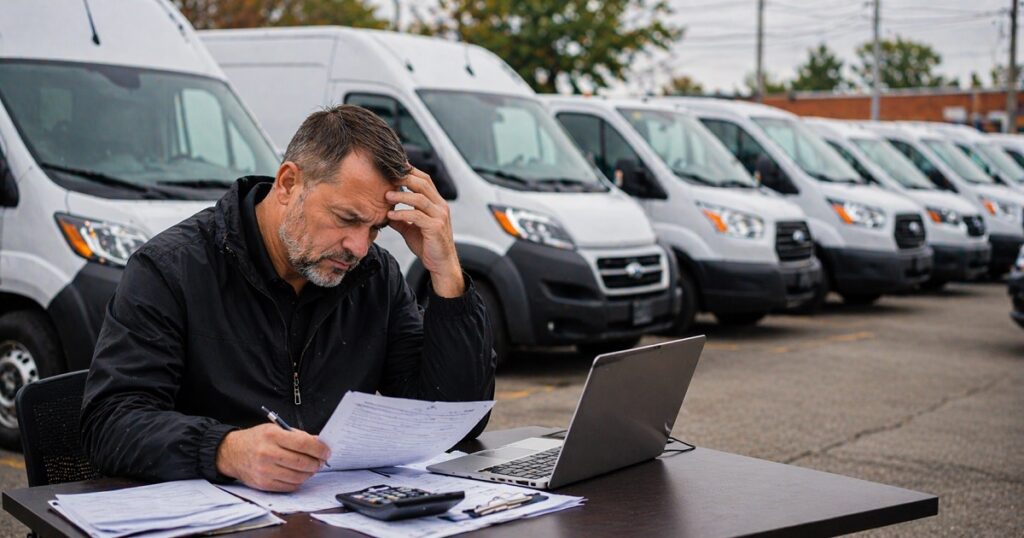
Selling fleet vehicles comes with its own set of challenges that require careful planning.
Potential Obstacles
- High mileage reducing buyer interest
- Market saturation of similar vehicles
- Delays due to missing paperwork
- Low offers from bulk buyers
How to Overcome Them
- Highlight maintenance history to offset mileage concerns
- Differentiate listings with detailed descriptions
- Prepare all documents in advance
- Be patient and flexible with negotiations
Understanding these challenges helps you prepare and respond effectively.
Selling a fleet vehicle requires a balance of preparation, pricing strategy, and efficient execution. By focusing on vehicle condition, choosing the right sales channels, and maintaining clear communication with buyers, you can achieve a smoother transaction and better financial outcomes. Proper planning and attention to detail ensure that each sale contributes positively to your overall fleet management strategy.
Content reviewed and published by Sell My Car Colorado Editorial Team.