
What Is “End-of-Life Vehicle” and How It’s Valued is a topic many vehicle owners encounter when a car is no longer roadworthy, repairable, or economically sensible to keep. Understanding how an end-of-life vehicle is assessed helps sellers set realistic expectations, avoid low offers, and choose the right disposal or sale option.
How End-of-Life Vehicle Status Is Determined
End-of-life vehicle status is typically reached after a combination of mechanical failure, age, mileage, and cost of repairs outweighs the vehicle’s remaining usefulness. Insurance decisions, repeated breakdowns, or failed inspections often accelerate this stage.
Several factors usually come together, rather than a single issue:
- Major engine or transmission failure
- Severe accident damage
- Chronic electrical or structural problems
- Extensive rust or frame corrosion
- High mileage combined with declining reliability
A vehicle does not need to be completely nonfunctional to be considered end-of-life. Many still start, drive short distances, or contain valuable working components.
The Role of Market Conditions in End-of-Life Vehicle Value
The value of an end-of-life vehicle is closely tied to market demand for parts, scrap materials, and rebuildable components. Prices fluctuate based on steel rates, catalytic converter demand, and regional salvage activity.
Local factors often influence valuation more than national averages. Urban areas with active recycling yards may offer higher payouts, while rural locations may see lower competition.
Market conditions that affect pricing include:
- Scrap metal prices at the time of sale
- Demand for used auto parts
- Fuel prices affecting transport costs
- Availability of similar vehicles for dismantling
Because these factors change frequently, values can vary significantly from one month to the next.
How Vehicle Make and Model Affect End-of-Life Value
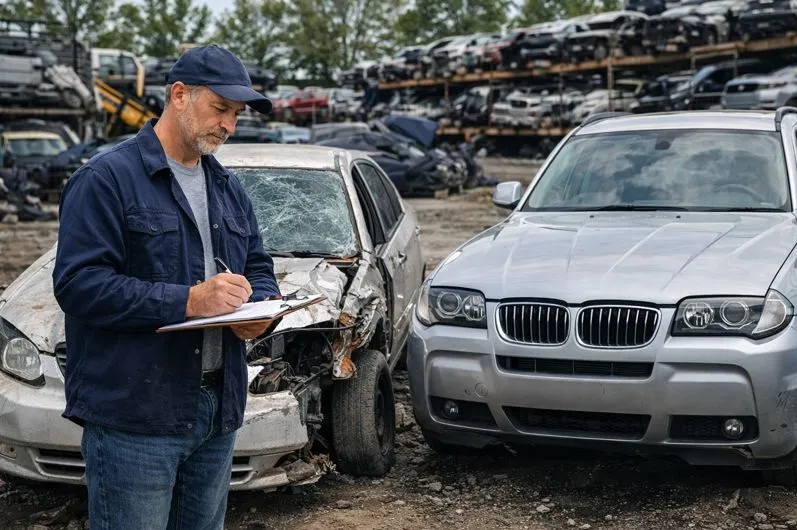
Not all end-of-life vehicles are valued equally. Make and model play a major role, especially when parts interchangeability and resale demand are high.
Vehicles from manufacturers with strong aftermarket support tend to retain higher value even at the end of their lifecycle. Trucks, SUVs, and certain sedans often outperform niche or discontinued models.
Common reasons some vehicles are worth more include:
- High demand for replacement parts
- Shared components across multiple model years
- Popular engines or transmissions
- Strong resale history for used components
Luxury vehicles may surprise owners by having lower end-of-life value due to expensive, low-demand parts and complex electronics.
The Impact of Vehicle Condition on Valuation
Condition remains one of the most important factors in end-of-life vehicle pricing. Even when a car is no longer viable as daily transportation, individual components can significantly increase its worth.
Assessors typically consider:
- Whether the engine turns over
- Transmission functionality
- Presence of intact body panels
- Interior condition and completeness
- Electrical system status
A vehicle with cosmetic damage but a working drivetrain often commands a higher price than a clean-looking car with major mechanical failure.
How Mileage Influences End-of-Life Vehicle Worth
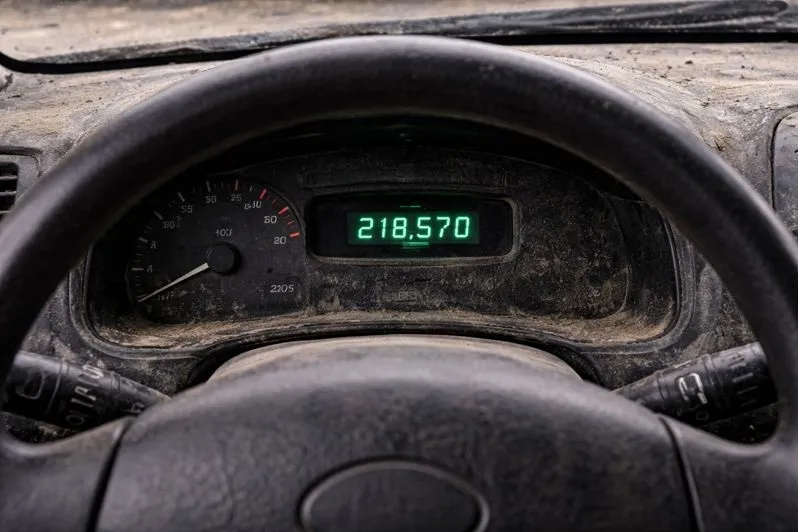
Mileage is a strong indicator of remaining component life. Lower mileage vehicles generally offer more reusable parts, which directly increases valuation.
High mileage does not automatically mean low value, but it does narrow the range of usable components. Engines, transmissions, and suspension parts from lower mileage vehicles are easier to resell and refurbish.
Mileage is often weighed alongside maintenance history. A well-maintained high mileage vehicle may still outperform a neglected lower mileage one in overall value.
The Importance of the Title and Ownership Status
Clear ownership documentation plays a major role in how smoothly an end-of-life vehicle can be sold or recycled. Title status often determines whether a vehicle can be dismantled, resold, or exported.
Vehicles with clean titles usually receive higher offers due to fewer legal hurdles. Salvage or missing titles may still be accepted but often reduce payout.
Ownership factors that affect value include:
- Clean versus salvage title
- Lien status
- Matching VIN documentation
- Transfer requirements in the state
Having paperwork ready speeds up the process and reduces deductions during final valuation.
How Parts Recovery Drives End-of-Life Vehicle Pricing
A significant portion of an end-of-life vehicle’s value comes from parts recovery rather than scrap weight. Reusable components are removed, tested, and resold through salvage networks.
High-value parts commonly include:
- Engines and transmissions
- Catalytic converters
- Wheels and tires
- Electronic modules
- Body panels and lighting assemblies
Vehicles missing major components will almost always receive lower offers since dismantling profit potential decreases.
Scrap Metal Value and Its Influence
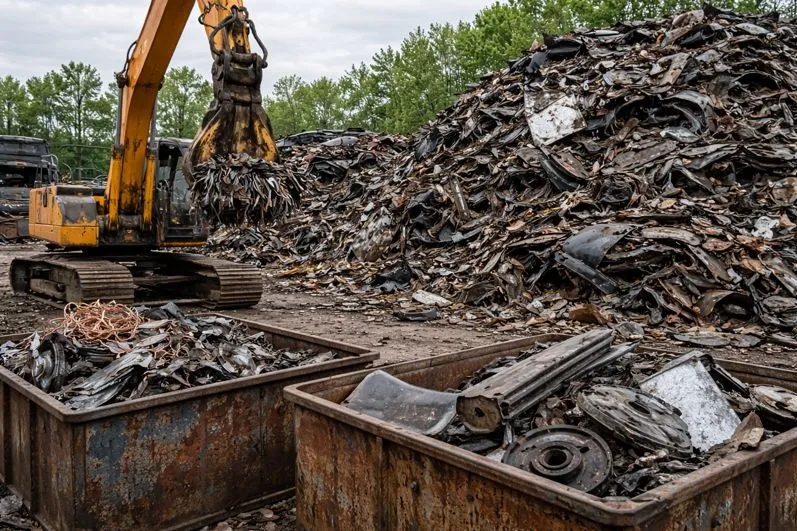
When parts recovery is limited, scrap metal value becomes the primary pricing factor. Steel, aluminum, and copper content determine baseline worth.
Scrap pricing depends on:
- Current metal market rates
- Vehicle weight
- Presence of non-metal materials
- Ease of dismantling
Larger vehicles such as trucks and vans often bring higher scrap returns due to increased metal content.
Environmental and Regulatory Considerations in Valuation
Environmental compliance can affect how an end-of-life vehicle is processed and priced. Regulations surrounding fluid disposal, emissions components, and recycling standards may increase handling costs.
In some regions, environmentally compliant recyclers may offer competitive pricing due to incentives or higher material recovery efficiency. In others, regulatory burdens may slightly reduce payouts.
Compliance-related considerations include:
- Proper disposal of fluids and batteries
- Handling of airbag systems
- Emissions component recovery
- Recycling certifications
Choosing a licensed recycler often ensures fair pricing and legal compliance.
How Location Impacts End-of-Life Vehicle Value
Geographic location influences demand, transport costs, and competition among buyers. Vehicles located closer to dismantling yards or recycling facilities typically receive higher offers.
Remote locations may require towing or transport fees that reduce net payout. Some buyers include free towing, while others deduct it from the offer.
Location-related factors include:
- Distance to the nearest salvage yard
- Local demand for used parts
- State regulations affecting disposal
- Availability of competing buyers
Comparing multiple local offers often results in a more accurate valuation.
The Demand for Catalytic Converters
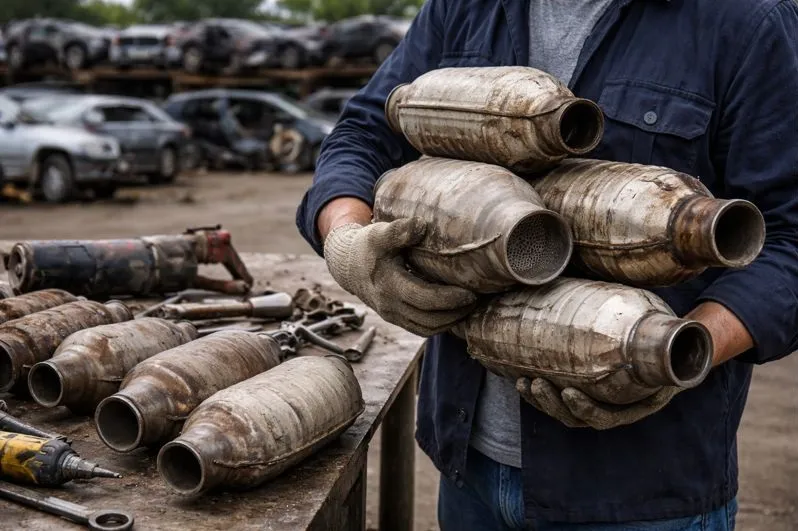
Catalytic converters are among the most valuable components in an end-of-life vehicle due to the precious metals they contain. Demand for these materials directly impacts vehicle pricing.
Vehicles with intact, original converters often receive noticeably higher offers. Missing or aftermarket converters typically lower overall value.
Converter value depends on:
- Vehicle make and model
- Converter type and size
- Current precious metal prices
This single component can sometimes account for a large percentage of an end-of-life vehicle’s worth.
Common Valuation Methods Used by Buyers
Buyers use different approaches to determine end-of-life vehicle value. Some rely on automated systems, while others perform manual inspections.
Common methods include:
- Weight-based scrap calculations
- Parts resale potential estimates
- Market comparison models
- On-site inspections
Understanding these methods helps sellers recognize why offers may vary and identify fair pricing.
How to Maximize the Value of an End-of-Life Vehicle
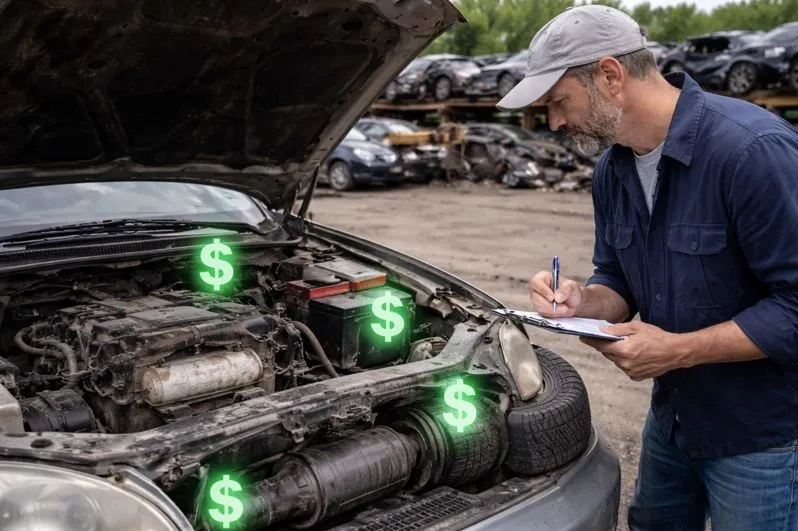
While end-of-life status limits options, there are still steps owners can take to improve valuation.
Practical actions include:
- Keeping the vehicle complete
- Providing accurate condition details
- Having the title ready
- Removing personal items but not parts
- Comparing multiple buyers
Transparency during the quote process often leads to fewer deductions later.
Timing and Its Effect on Pricing
Timing can influence end-of-life vehicle value more than many expect. Scrap prices, seasonal demand, and market cycles all affect offers.
Selling during periods of high metal prices or strong parts demand can increase payouts. Waiting too long, however, may lead to further deterioration and reduced value.
Balancing timing with vehicle condition is key to achieving the best outcome.
Understanding what is end-of-life vehicle and how it’s valued gives owners clarity during a process that often feels uncertain. By recognizing the factors that influence pricing, from parts demand to documentation and location, sellers are better equipped to evaluate offers and choose the most beneficial option for their situation.
Content reviewed and published by Sell My Car Colorado Editorial Team.