
Deciding whether you should let a buyer take the car to a mechanic is one of the most important choices you’ll make when selling a vehicle privately. Buyers often request a pre-purchase inspection to confirm the car’s condition, and how you handle this step can influence trust, negotiation power, and the final sale price. Understanding how to approach these requests helps protect you while keeping serious buyers engaged.
Why Buyers Ask for a Pre-Purchase Inspection
Buyers want to feel confident that the car matches the description you provided. A mechanic’s inspection offers them reassurance.
Common reasons buyers ask for an inspection include:
- Verifying the engine and transmission health
- Checking for previous collision damage
- Confirming that maintenance and repairs are up to date
- Detecting hidden issues that are not visible in a test drive
Allowing an inspection shows transparency and signals that you stand behind the vehicle’s condition, which can strengthen your negotiating position.
Benefits of Allowing a Buyer to Take the Car to a Mechanic
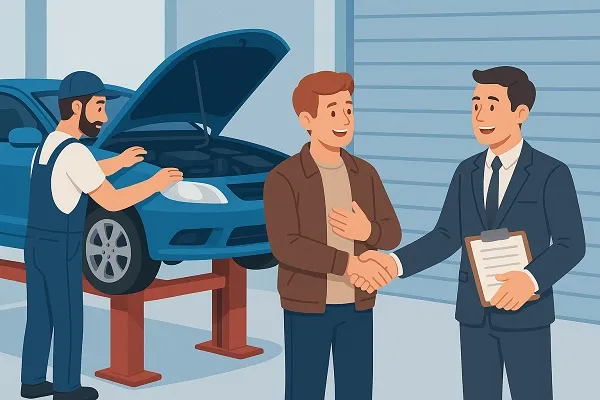
Letting a buyer take the car to a mechanic can work strongly in your favor when handled correctly.
Builds Trust and Credibility
Buyers are more comfortable moving forward when they see you’re open to independent evaluation. This often speeds up the decision process and reduces back-and-forth questioning.
Speeds Up the Sale
A clean inspection report removes doubts. Serious buyers usually act quickly once they’ve confirmed the car is sound.
Reduces Price Disputes Later
Inspection documentation protects you from disputes after the sale. If the buyer later claims the car had hidden issues, the inspection record shows the condition at the time of sale.
Potential Risks and How to Protect Yourself
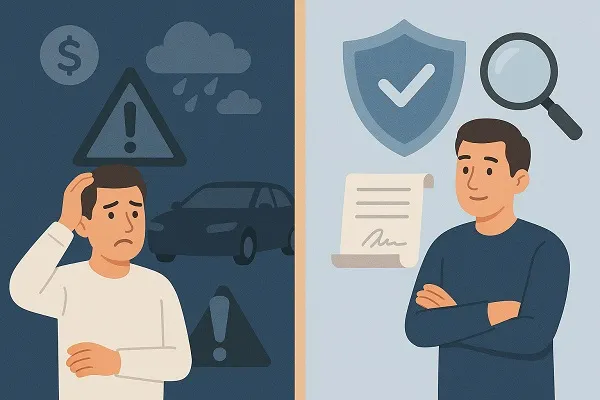
While the benefits are strong, there are risks you need to manage. With the right safeguards, you can allow an inspection without exposing yourself to unnecessary problems.
Risk of Theft or Misuse
Handing your car over to a stranger may feel uncomfortable. Prevent issues by:
- Meeting at the mechanic’s shop rather than letting the buyer take the car alone
- Asking to follow them to the appointment
- Requesting to hold their driver’s license during the inspection trip
Damage During the Inspection
If the buyer test drives or transports the car to the shop, there is always a chance of damage. Clarify that the buyer assumes responsibility while the car is in their possession.
Buyers Fishing for Discounts
Some buyers use inspections to negotiate aggressively, even for minor or expected wear. To avoid unnecessary price drops:
- Set a firm price beforehand
- Make it clear you will consider major findings, not small cosmetic issues
- Provide your own maintenance records to show transparency
Setting Clear Boundaries Before Agreeing
Before you say yes, outline expectations so the process stays smooth and professional.
Decide Where the Inspection Will Take Place
You can give options such as:
- A reputable local shop
- A mechanic you trust
- A mobile inspection service that comes to you
Limiting the distance and location prevents long, inconvenient trips and keeps the transaction manageable.
Discuss Time Limits
Make sure the buyer schedules the inspection promptly. You don’t want your car tied up for days while they decide on timing. A reasonable timeframe is the same day or within 24 hours.
Require the Buyer to Be Present
The buyer should accompany the car at all times. This prevents liability issues and ensures they hear the mechanic’s feedback firsthand.
Should You Let the Car Leave Your Sight?
A common concern is whether you should let a buyer take the car to a mechanic without you. Most private sellers prefer not to, and for good reason.
Reasons to Avoid Letting the Buyer Go Alone
- You don’t know the buyer’s driving habits
- The risk of accidents or theft increases
- You can’t monitor how long they keep the vehicle
- You remain liable for anything that happens until ownership transfers
Instead, follow in your own vehicle or ride along. This still gives the buyer confidence while giving you control over the situation.
What to Do When the Inspection Reveals Issues
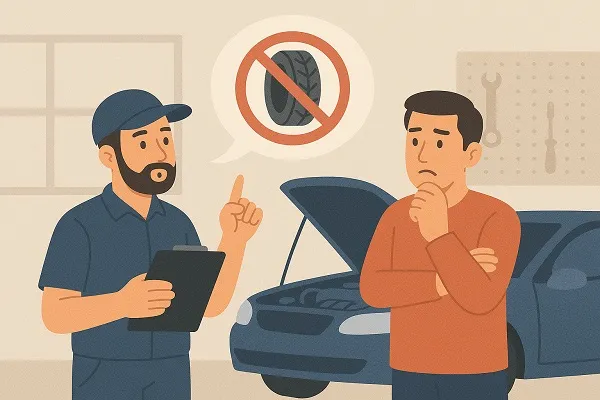
Even well-maintained cars may show minor problems during a pre-purchase inspection. How you respond affects the negotiation.
If the Issues Are Minor
You can:
- Stay firm on your asking price
- Offer a small, reasonable discount
- Provide receipts or maintenance history to show the car has been cared for
Most buyers expect small findings, and they usually won’t derail the sale.
If the Issues Are Major
You have a few options:
- Reduce the price based on repair estimates
- Fix the problems before continuing the sale
- Walk away if the buyer becomes unreasonable or confrontational
Major findings don’t always kill the deal. They simply clarify the car’s condition so you can price it accurately.
How to Spot Red Flags From Buyers
Not every buyer’s request is harmless. Pay attention to signs that the buyer may not be serious or may have negative intentions.
Common red flags include:
- Insisting on a distant or unfamiliar mechanic
- Avoiding meeting in person before taking the car
- Refusing to provide identification
- Making unrealistic demands or rushing the process
- Showing no interest in maintenance records or the car’s history
Trust your instincts. If something feels off, you can decline the inspection politely.
How to Make the Inspection Process Smoother
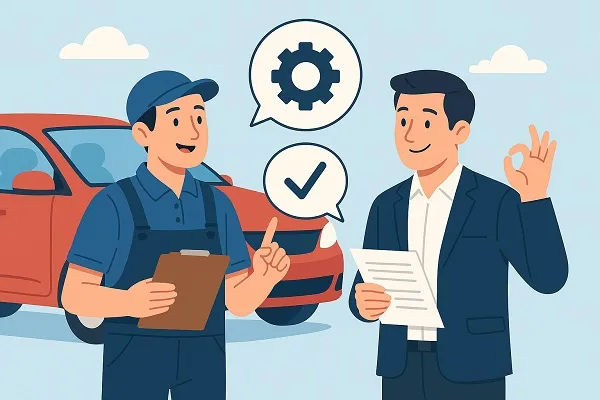
A well-prepared seller impresses buyers and keeps things efficient.
Have Documentation Ready
Collect the following before meeting the buyer:
- Service records
- Receipts for repairs or upgrades
- Title (without signing it yet)
- Vehicle history report
- A list of recent maintenance
This gives the buyer confidence even before the inspection.
Clean the Car Inside and Out
A clean car signals responsible ownership. It also helps the mechanic evaluate the vehicle more clearly.
Be Transparent About Known Issues
If you already know about a flaw, disclose it. Transparency protects you from disputes and builds trust.
When You Should Say No to the Inspection Request
While allowing inspections is generally smart, there are situations where saying no is reasonable.
You may decline if:
- The buyer refuses normal safety precautions
- They ask to take the car far from your area
- They won’t commit to a quick inspection time
- They seem more interested in stalling than purchasing
- The car is priced as-is at a low amount and an inspection is unnecessary
You are not obligated to approve every request. Your comfort and safety come first.
Should You Allow a Mobile Mechanic?
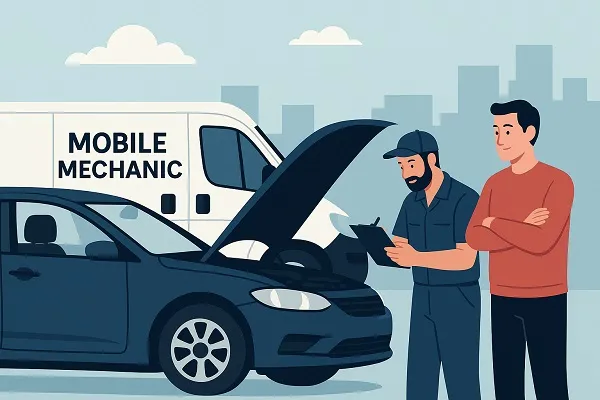
Mobile inspections have become popular for private car sales. These can be convenient because:
- You don’t have to leave your home or meeting location
- You maintain full control of the vehicle
- The buyer gets a professional evaluation on the spot
If available in your area, this option can make the process easier for both parties.
Smoothly Moving Forward After the Inspection
Once the inspection is complete, the buyer will typically:
- Review the mechanic’s notes
- Ask questions
- Decide whether to proceed, negotiate, or walk away
Stay patient and keep communication open. If the car passes with only minor notes, be confident in your asking price. If the buyer is ready to purchase, complete the paperwork, accept secure payment, and finalize the sale.
Selling a car privately requires balance between protecting yourself and earning buyer trust. Letting a buyer take the car to a mechanic can be a smart step when handled with clear boundaries and proper precautions. When you stay involved, choose safe inspection locations, and communicate expectations, you create a transparent and smooth process that benefits both you and the buyer.
Content reviewed and published by Sell My Car Colorado Editorial Team.