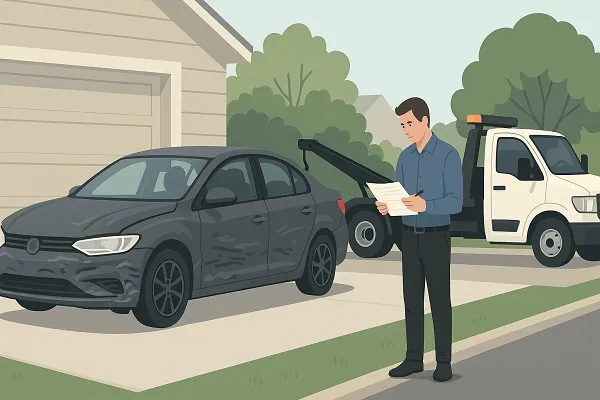
Selling a damaged car can feel overwhelming, especially when you are unsure of its value or the best way to present it to buyers. Understanding how to sell a damaged car efficiently helps you avoid common pitfalls, secure a fair offer, and move on without unnecessary stress. With the right approach, you can turn a rough situation into a smooth transaction.
Understanding the Condition of Your Damaged Car
Before listing your car for sale, take time to assess its condition. Buyers want clear, honest information, and transparency helps you secure serious offers.
Key areas to evaluate
- Exterior damage such as dents, broken lights, rust, or frame issues
- Interior condition including seats, dashboard, controls, and electronics
- Mechanical problems like engine failure, transmission issues, or fluid leaks
- Whether the car is drivable or needs to be towed
You can do your own walkaround inspection, but a professional mechanic can provide a more reliable evaluation that boosts buyer confidence.
Get an Accurate Estimate of the Car’s Value
Even a damaged car still has value, but knowing that value is essential for negotiating.
Smart ways to determine value
- Compare similar damaged vehicles on online marketplaces
- Use car valuation tools that let you input the damage
- Ask local salvage yards or scrap car buyers for quotes
- Consider getting a mechanic’s assessment to justify your asking price
Understanding your car’s worth helps you avoid underselling it or expecting unrealistic offers.
Decide Who You Want to Sell To
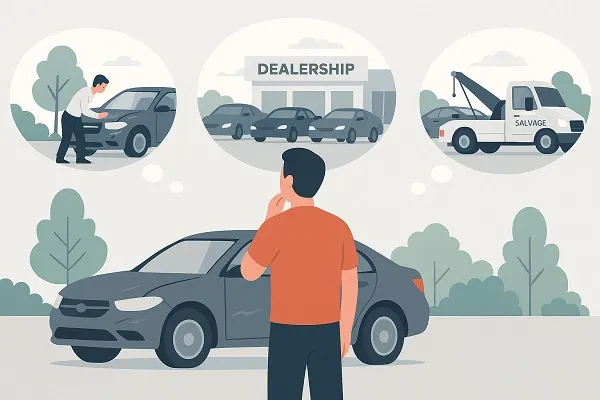
Where you sell your damaged car plays a major role in how much you earn and how quickly you can complete the sale.
Popular selling options
Sell to Private Buyers
This method can bring higher offers, especially if the damage is minor and the car is still running.
Pros
- Potentially better price
- Wide audience
Cons
- Can take longer
- Some buyers hesitate to purchase damaged vehicles
Sell to Dealerships
Some dealers buy damaged cars, especially if they handle trade-ins or have programs for older vehicles.
Pros
- Fast and straightforward
- Minimal negotiation required
Cons
- Usually lower offers
Sell to Scrap Yards or Salvage Buyers
Ideal for cars with severe damage, engine failure, or high repair costs.
Pros
- Instant offers and quick pickup
- No need to fix anything
Cons
- You will get paid for parts or scrap value rather than full vehicle value
Choosing the right type of buyer ensures your selling experience matches your priorities.
Make Minor Repairs If They Offer a Good Return
Not all damaged cars need repairs before selling. Some small fixes can significantly increase the value without costing much.
Consider repairing
- Burnt out bulbs
- Broken mirrors
- Minor cosmetic issues
- Superficial scratches
- Dead battery
Avoid major repairs that cost more than you would gain. Focus only on improvements that boost appeal.
Gather Essential Documents
Having the right paperwork ready speeds up the sale and builds trust.
Important documents include
- Title or proof of ownership
- Service records
- Damage reports
- Maintenance receipts
- Warranty information if applicable
If you lost the title, contact your local DMV to request a replacement before listing the car.
Take Clear Photos and Write an Honest Description
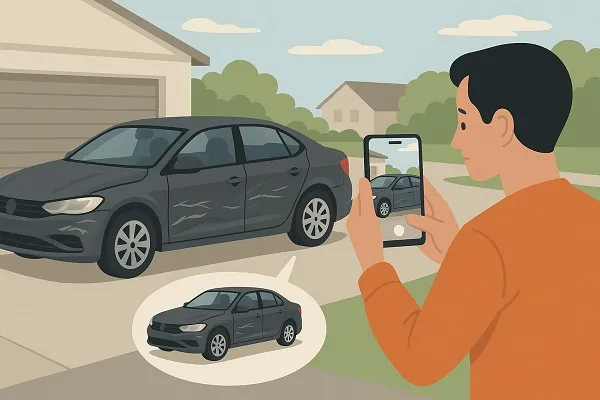
High-quality photos and a strong description help you attract buyers who understand what they are getting.
Tips for effective photos
- Take photos during daylight
- Capture all sides of the vehicle
- Include close-ups of damage
- Show the interior, dashboard, and odometer
What to include in your description
- Mileage
- Drivability status
- Known issues and damage
- Any replaced parts
- Whether it has been in an accident
- Asking price and preferred contact method
Using keywords like damaged car for sale, salvage vehicle, or car with mechanical issues naturally helps with SEO without sounding forced.
Set a Fair Asking Price
Pricing your damaged car fairly is key to getting quick, reasonable offers. Once you know your car’s value and market demand, set a competitive price that reflects its condition.
Pricing tips
- Start slightly above your minimum acceptable price
- Highlight any valuable components, such as new tires or upgraded parts
- Adjust your price if the car doesn’t receive interest after a few days
A well-priced damaged car attracts more legitimate buyers and reduces negotiation time.
Be Prepared to Negotiate
Negotiation is a normal part of selling a damaged vehicle. Buyers will often try to use the car’s condition as leverage, so stay confident and informed.
Helpful negotiation strategies
- Support your price with documentation and quotes
- Be honest about the damage to build trust
- Know your minimum acceptable amount before talks begin
- Consider non-cash value such as free towing offered by salvage companies
Good negotiation helps you avoid lowball offers while still closing the sale efficiently.
Arrange Safe Payment and Transfer of Ownership
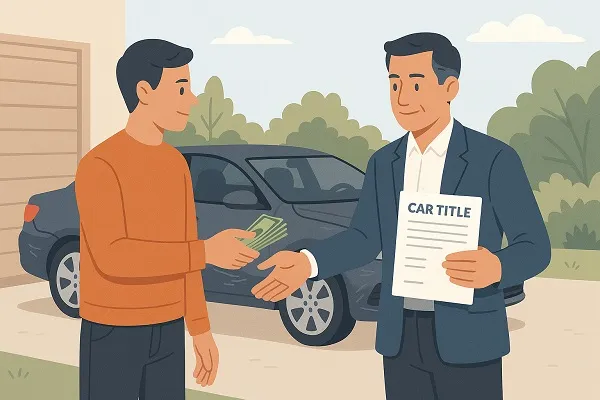
Once you’ve accepted an offer, finalize the sale safely and legally.
Safe methods of payment
- Cash
- Certified check
- Bank transfer
Avoid personal checks or suspicious payment methods. After payment is confirmed, complete the title transfer and provide the bill of sale. If the car is undrivable, coordinate towing with the buyer.
When to Consider Selling Your Damaged Car for Parts
Sometimes parting out the vehicle offers higher returns, especially if major systems are still in good condition.
Consider selling parts if
- The engine or transmission works
- The car has low mileage components
- Your model has parts in high demand
- The frame is severely damaged and repairing the whole vehicle isn’t worth it
Selling parts requires time and storage space, but it can be profitable for certain cars.
Tips to Maximize Your Car’s Value
Even with damage, you can still improve your chances of a better payout.
- Clean the interior and exterior
- Remove personal belongings
- Be responsive to buyer inquiries
- Provide detailed information upfront
- Highlight positive aspects such as working electronics, new tires, or recent repairs
Small improvements can make a big difference in how buyers perceive your car.
Selling a damaged car doesn’t have to be complicated. With a clear understanding of your car’s condition, a realistic price, and the right type of buyer, you can complete the sale smoothly and confidently. Focus on transparency, take strong photos, gather your documents, and choose the selling method that best fits your needs. Whether you sell to a private buyer, a dealer, or a salvage company, the steps you take now will help you get the best possible offer for your damaged vehicle.
Content reviewed and published by Sell My Car Colorado Editorial Team.