
How to avoid buyer fatigue with your used car listing starts with understanding how shoppers actually browse and evaluate vehicles online. Buyers are often scrolling through dozens, sometimes hundreds, of similar listings, and small missteps can cause them to feel overwhelmed, bored, or distrustful before they ever reach out. Reducing friction, sharpening your presentation, and respecting the buyer’s mental bandwidth can significantly increase engagement and lead quality.
Focus on Clarity Over Volume
One of the fastest ways to cause buyer fatigue is by overloading a listing with unnecessary or repetitive information. Shoppers want clarity, not clutter.
Instead of trying to say everything, prioritize what truly helps someone decide whether to take the next step.
Clear listings tend to:
- Highlight key vehicle details upfront
- Avoid long, unstructured blocks of text
- Present information in a logical order
When buyers can quickly understand what the car is, what condition it is in, and why it is worth their time, they are less likely to abandon the listing.
Write a Headline That Sets Expectations
Your title is often the first and only chance to stop a potential buyer from scrolling past. A vague or keyword stuffed headline forces buyers to work harder, which accelerates fatigue.
Strong headlines usually include:
- Year, make, and model
- Trim level if relevant
- One clear value point such as low mileage or single owner
Avoid hype or excessive capitalization. Buyers browsing used car listings are already skeptical, and exaggerated language can create mental resistance instead of curiosity.
Structure Descriptions for Easy Scanning
Most buyers do not read used car descriptions word for word. They scan. If your listing requires intense focus to understand, many shoppers will move on.
Break your description into short paragraphs and sections. Use bullet points where it makes sense, especially for features, upgrades, or recent maintenance.
A well structured description often includes:
- A brief opening paragraph summarizing the vehicle
- A features section using bullet points
- A condition and maintenance section
- Ownership or usage details
This format reduces cognitive effort and keeps the buyer engaged longer.
Be Honest About Condition Without Overexplaining
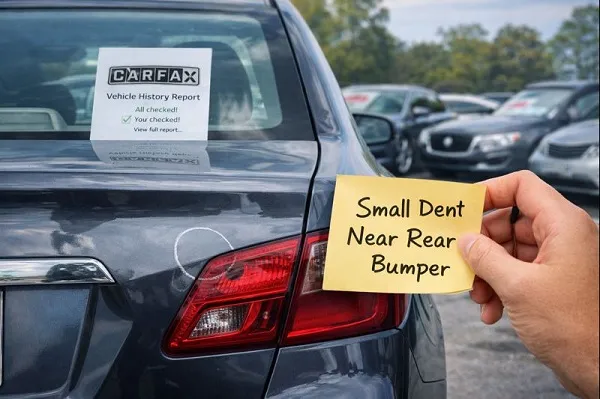
Trying to hide flaws or over justify imperfections leads to buyer fatigue and distrust. On the other hand, excessive explanations can also overwhelm the reader.
State the condition clearly and confidently:
- Mention cosmetic issues briefly and factually
- Avoid emotional language or defensiveness
- Do not repeat disclaimers multiple times
Buyers appreciate transparency, and concise honesty allows them to assess fit without mental exhaustion.
Use Photos Strategically, Not Excessively
Photos play a critical role in avoiding buyer fatigue with your used car listing. Too few images raise suspicion, while too many nearly identical photos can feel tedious.
Aim for quality over quantity:
- Clear exterior shots from multiple angles
- Interior photos that show seats, dashboard, and controls
- Close ups of wheels, tires, and key features
- One or two photos of imperfections if relevant
Avoid uploading dozens of repetitive images. Buyers should feel informed, not forced to sift through a gallery to find value.
Highlight Value Without Creating Pressure
Aggressive sales language contributes heavily to buyer fatigue. Phrases that push urgency or attempt to force action can cause buyers to disengage.
Instead, focus on value based information:
- Maintenance history
- Recent repairs or inspections
- Fuel efficiency or reliability highlights
Let the facts create confidence. When buyers feel in control of their decision, they are more likely to continue the conversation.
Keep Feature Lists Relevant and Organized
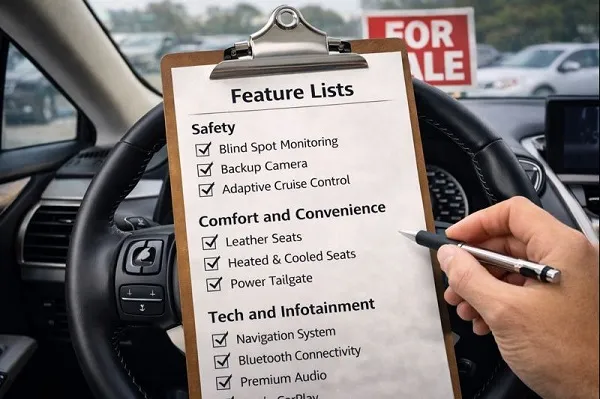
Long, unfiltered feature lists are a common cause of listing fatigue. Many buyers stop reading once the list feels endless.
Group features logically and remove anything that does not add meaningful value.
Effective feature sections often include:
- Safety features
- Comfort and convenience
- Technology and infotainment
- Performance or drivetrain highlights
Avoid listing every minor function. Focus on what differentiates the vehicle from similar used cars on the market.
Avoid Repetition Across the Listing
Repeating the same selling points multiple times can frustrate readers. Buyer fatigue increases when shoppers feel like they are reading the same sentence in different forms.
Check for repetition in:
- Mileage mentions
- Condition statements
- Warranty or inspection notes
Each section of your used car listing should add new information or clarity. If it does not, it likely contributes to mental overload.
Use Pricing Transparency to Reduce Mental Friction
Unclear pricing is a major contributor to buyer fatigue. When shoppers cannot easily understand the price, fees, or value comparison, they often leave the listing entirely.
To reduce friction:
- Clearly state the asking price
- Avoid vague language around fees
- Explain pricing rationale briefly if needed
Transparent pricing builds trust and allows buyers to focus on the car itself rather than decoding the offer.
Match Tone to Serious Buyers
Your tone should reflect professionalism and confidence without sounding robotic. Overly casual language can feel untrustworthy, while overly formal writing can feel cold.
A balanced tone:
- Sounds knowledgeable but approachable
- Avoids slang or excessive humor
- Respects the buyer’s intelligence
This helps keep buyers mentally engaged without creating emotional fatigue.
Update Listings to Prevent Stale Fatigue
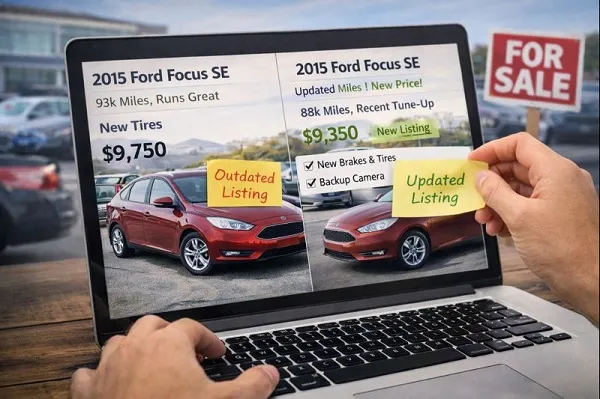
Outdated or stale used car listings contribute to buyer burnout. Shoppers often recognize listings they have seen before, which reduces perceived value.
Refreshing your listing can include:
- Updating photos
- Rewriting the description
- Adjusting price or highlighting new maintenance
A refreshed listing feels more relevant and signals that the seller is attentive, which can re engage buyers who previously skipped over it.
Limit Distractions and External Links
Sending buyers to multiple external pages, disclaimers, or unrelated information increases mental load. The goal is to keep the buyer focused on evaluating the car.
Keep everything essential within the listing itself:
- Vehicle details
- Condition information
- Clear next steps
Reducing distractions helps maintain attention and lowers the chance of buyer fatigue.
End With a Clear, Simple Next Step
Many used car listings fail by either not telling the buyer what to do next or overwhelming them with options.
Offer one clear action:
- Contact for availability
- Schedule a test drive
- Request additional photos or history
A simple call to action reduces decision fatigue and makes it easier for interested buyers to move forward.
Avoiding buyer fatigue with your used car listing is about respecting how people think and browse. Clear structure, honest information, strategic visuals, and concise language all work together to keep buyers engaged. When your listing feels easy to read and easy to trust, shoppers are far more likely to stay focused, build confidence, and take the next step toward purchasing.
Content reviewed and published by Sell My Car Colorado Editorial Team.