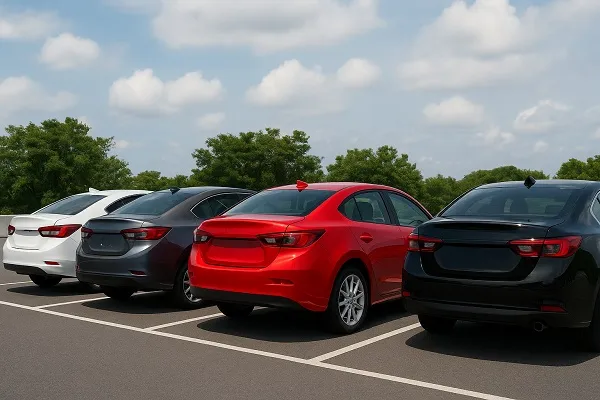
Do car colors affect resale value? Many buyers overlook the impact of vehicle color when purchasing a car, yet certain shades consistently influence depreciation, demand and marketability. Color may not be the only factor determining a vehicle’s worth, but it can play a notable role in how fast a car sells and the price it attracts.
How Car Color Influences Depreciation
Car color has a direct connection to perceived desirability. Some shades retain value because they appeal to a broader audience, while others may limit interest and slow down the selling process.
Broad Appeal vs Limited Demand
- Neutral colors attract the widest pool of buyers which helps maintain stronger resale prices.
- Unusual or bold colors often shrink the potential buyer market, increasing the chance of longer time on the market.
- Specialized colors may appeal to niche buyers only, which can reduce the resale price depending on the vehicle segment.
Shorter time on the market typically translates into better retained value, making paint color an important consideration even years after purchase.
Colors With the Strongest Resale Value
Some colors historically outperform others when it comes to retaining value. These shades tend to remain timeless, easy to maintain and appealing across multiple demographics.
Top Performing Colors
- White
Consistently popular among buyers shopping for sedans, SUVs and trucks. Known for practicality and clean aesthetics. - Black
A frequent choice for luxury vehicles and high-end trims. Creates a sophisticated look that remains consistently in demand. - Gray and Silver
Neutral, versatile and stylish without being too bold. These colors work well on nearly every type of vehicle.
These colors rarely go out of style, making them strong choices for buyers who plan to resell later.
Colors That May Hurt Resale Value
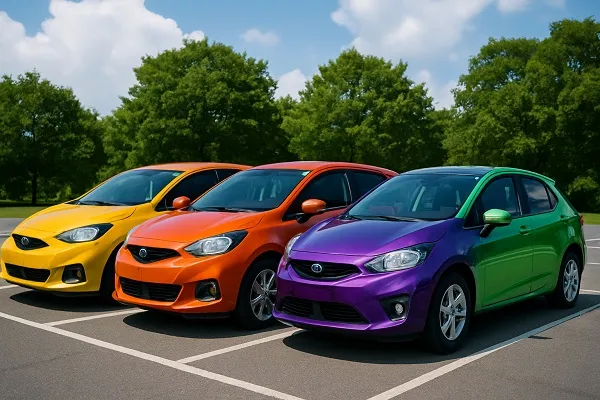
While some shades perform well, others tend to depreciate more quickly due to lower buyer interest or maintenance challenges.
Common Lower Value Colors
- Bright Yellow
- Orange
- Purple
- Bright Green
- Non-standard specialty colors
These colors often stand out on the road, which can be appealing to some but limiting to most used-car shoppers. Lower demand usually results in a reduced resale price and longer waiting periods before finding a buyer.
Why Buyers Prefer Certain Colors
Understanding buyer preferences can clarify why some colors hold value better than others. Car shoppers often focus on practicality, upkeep and long-term satisfaction.
Key Factors Behind Popular Choices
- Maintenance and appearance
Neutral colors show dirt and scratches less than dark or vibrant tones. - Timeless appeal
Classic shades suit a wide range of tastes and lifestyles. - Market trends
Buyers often choose colors that align with industry trends and modern design styles. - Ease of matching repairs
Common colors make paint repair and touch-ups more accessible and affordable.
These preferences collectively influence how a vehicle performs in the resale market.
Segment Specific Trends
Different types of vehicles attract different buyers, and the ideal color for resale can vary depending on the category.
Sedans
Sedan buyers typically favor practical and professional tones.
Common top performers include white, black, gray and silver.
SUVs and Crossovers
Buyers look for a clean, modern appearance.
White, black and gray tend to perform well, with darker blues also showing strong demand.
Sports Cars
Sports cars often benefit from bolder shades, but resale varies based on brand.
Bright red, deep blue and signature manufacturer colors may hold value more effectively than in other segments.
Regional Preferences
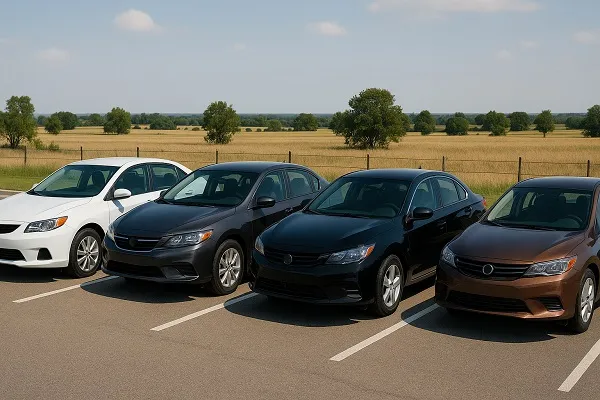
Car color preferences can vary from one region to another due to weather, culture and lifestyle.
How Location Affects Resale
- Hot climates
Lighter colors like white and silver are preferred since they reflect heat and stay cooler. - Urban areas
Black, gray and metallic shades remain popular for their sleek appearance. - Rural regions
Buyers may lean toward colors that hide dust well, such as tan or darker neutrals.
Regional trends influence how quickly a car sells and the resale price it attracts.
Impact of Condition and Maintenance
Even the best performing color won’t help resale value if the paint is poorly maintained. Condition plays a major role in how buyers perceive overall vehicle care.
Tips for Preserving Paint Value
- Wash your vehicle regularly to remove dirt and contaminants.
- Wax periodically to protect against fading.
- Park in shaded or covered areas to reduce UV damage.
- Fix scratches or chips promptly to avoid spreading.
A well-maintained paint finish makes a used vehicle more appealing regardless of the color.
How Color Affects Trade In Offers
Dealerships pay close attention to buyer demand. When a car has a highly desirable color, it tends to move quickly from the lot, raising its trade in value.
What Dealerships Consider
- How quickly similar vehicles have sold
- Current color trends in the local market
- Seasonal demand patterns
- The dealership’s existing inventory mix
If a color is hard to sell, dealerships may reduce the offer to minimize risk.
Choosing the Best Color for Long Term Value
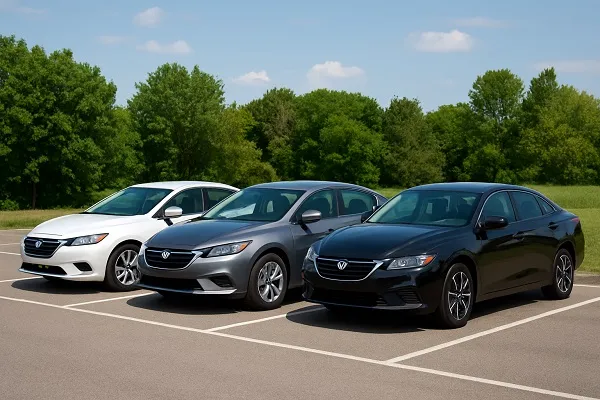
While personal preference matters, choosing a car color that supports solid resale value doesn’t mean sacrificing style. Many popular colors offer a balance of appearance, practicality and long term demand.
Smart Guidelines for Buyers
- Opt for timeless colors rather than trendy shades.
- Match the color to the vehicle type to appeal to typical buyers.
- Consider climate and regional preferences.
- Remember that subtle, sophisticated tones are usually easier to resell.
These guidelines can help ensure strong resale potential later on.
A Final Word on Whether Car Color Affects Resale Value
Car colors do affect resale value, and the shade you choose can influence market demand, depreciation and how quickly the vehicle sells. Neutral, widely preferred colors tend to retain the highest value, while bold or unconventional shades may limit buyer interest. By considering market trends, maintenance needs and local preferences, you can choose a color that enhances both enjoyment and long-term value.
Content reviewed and published by Sell My Car Colorado Editorial Team.