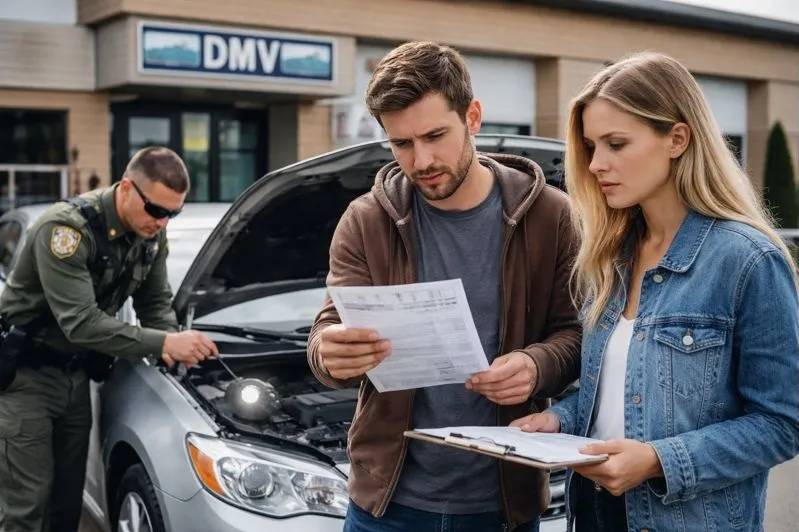
Can you sell a car without VIN matching title in Colorado is a question that comes up frequently for private sellers, buyers, and anyone dealing with vehicle paperwork issues. Colorado has specific title and VIN verification requirements, and a mismatch between the vehicle identification number on the car and the title can stop a sale immediately if it is not handled correctly.
Colorado Laws on Selling a Car With a VIN Mismatch
In Colorado, selling a car with a VIN that does not match the title is generally not allowed. The Colorado Division of Motor Vehicles requires the VIN on the title to exactly match the VIN physically attached to the vehicle before ownership can be transferred.
If the VIN does not match, the DMV will not process the title transfer. This applies to private-party sales, dealer sales, and even gifted vehicles. Until the discrepancy is corrected, the vehicle is considered untransferable under Colorado law.
Colorado treats VIN mismatches seriously because VINs are used to confirm ownership, prevent theft, and track vehicle history.
Why VIN Mismatches Happen in Colorado
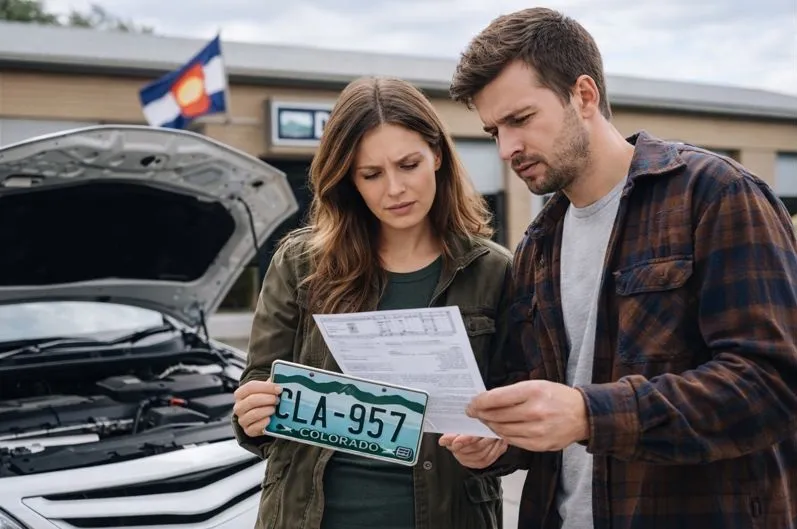
VIN mismatches are not always the result of illegal activity. Many Colorado vehicle owners encounter these problems unintentionally.
Typographical Errors on Colorado Titles
Clerical mistakes are one of the most common causes of VIN mismatches in Colorado. Errors may occur when a title is issued, especially for older vehicles or those transferred multiple times.
Common situations include:
- One incorrect digit entered on the title
- Letters mistaken for numbers such as O and 0
- Errors during out-of-state title transfers into Colorado
Even minor errors must be corrected before the vehicle can be sold.
Out-of-State Vehicles Brought Into Colorado
Colorado requires VIN verification for most vehicles coming from another state. If the VIN was recorded incorrectly on the out-of-state title or during the Colorado VIN inspection, a mismatch may appear.
This is especially common with:
- Older vehicles
- Classic or collector cars
- Vehicles with faded or damaged VIN plates
Salvage, Rebuilt, or Reconstructed Vehicles
Salvage and rebuilt vehicles are common sources of VIN mismatches. Colorado closely monitors these vehicles due to their history.
VIN issues may arise if:
- A frame or body section with a VIN was replaced
- The rebuilt title paperwork was incomplete
- The vehicle passed inspection but documentation was inconsistent
These cases usually require additional inspections and paperwork.
Engine or Frame Modifications
While engine swaps are legal in Colorado, frame replacements can cause VIN problems if not documented properly. Since the VIN is often tied to the frame, replacing it without following state procedures can create a mismatch between the vehicle and the title.
Can You Sell a Car With a VIN Mismatch in Colorado?
In most cases, no. Colorado DMV will reject any title transfer if the VIN does not match exactly. This means you cannot legally sell, gift, or transfer ownership of the vehicle until the issue is resolved.
However, there are limited situations where the vehicle may still be sold, but only after corrective steps are taken or when selling under specific conditions.
How to Fix a VIN Mismatch Before Selling in Colorado
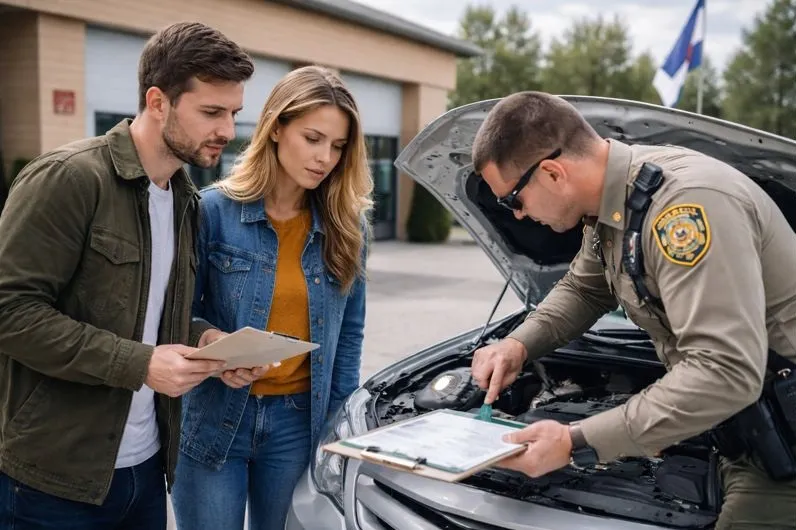
Resolving the VIN issue before listing the vehicle is the safest and most effective approach.
Colorado VIN Verification Requirements
Colorado requires a certified VIN inspection using one of the following forms:
- DR 2698 Verification of Vehicle Identification Number
- DR 2704 Certified VIN Inspection
These inspections can be performed by:
- Colorado law enforcement officers
- Licensed motor vehicle dealers
- Authorized VIN inspection stations
The inspector physically checks all VIN locations on the vehicle and compares them to the title.
Correcting the Title Through the Colorado DMV
If the VIN on the vehicle is correct and the title contains an error, the DMV may allow a title correction.
You may need to provide:
- A completed title correction form
- A certified VIN inspection
- Proof of ownership
- Previous registration or title documents
Once approved, the DMV issues a corrected Colorado title with the proper VIN.
Bonded Title Option in Colorado
If ownership history cannot be clearly established, Colorado allows the use of a bonded title in some cases.
A bonded title involves:
- Purchasing a surety bond for 2 times the vehicle’s value
- Submitting an application for a bonded title
- Waiting three years before receiving a standard title
This option is often used when VIN issues cannot be resolved through standard corrections.
Selling a Car With VIN Issues to Alternative Buyers in Colorado
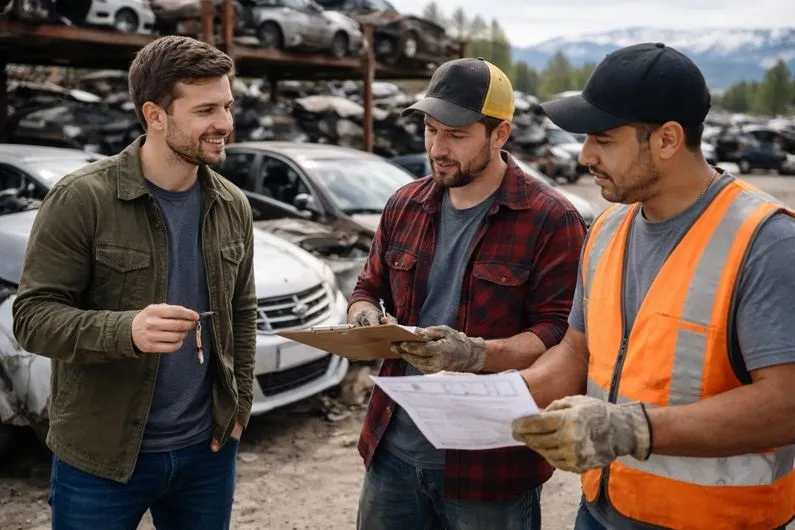
If fixing the VIN mismatch is not feasible, some sellers choose alternative selling options.
Selling to Junkyards or Salvage Buyers
Colorado salvage yards may purchase vehicles with VIN or title issues, particularly if the vehicle is not roadworthy.
These sales typically involve:
- Lower sale prices
- Limited paperwork requirements
- Vehicles intended for dismantling or scrap
This option is usually reserved for non-operational vehicles.
Selling to Specialty Car Buyers
Some Colorado car-buying companies accept vehicles with VIN mismatches and title complications.
They may:
- Evaluate the VIN issue case by case
- Handle some DMV paperwork
- Reduce the offer to account for risk
This can be an option for sellers looking for a quicker sale.
Disclosure Requirements in Colorado Vehicle Sales
Colorado law requires sellers to disclose known title or VIN issues to buyers. Selling a car without disclosing a VIN mismatch can result in legal disputes or accusations of misrepresentation.
Sellers should always:
- Inform buyers of the VIN discrepancy in writing
- Provide all related inspection and DMV documents
- Avoid promising that the issue will be easy to fix
Transparency protects both parties and reduces liability.
Risks of Selling a Car Without Fixing the VIN in Colorado
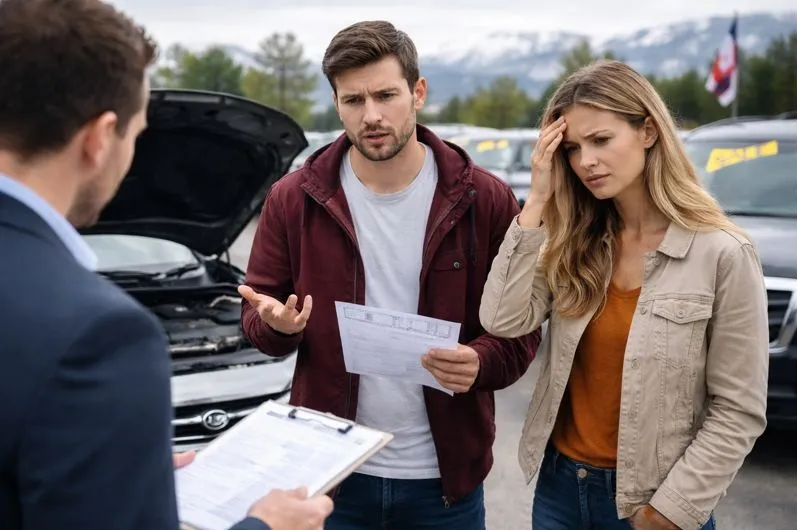
Selling a car without VIN matching title in Colorado carries significant risks.
Legal Risks for Sellers
Sellers may face:
- Civil liability if the buyer cannot title the vehicle
- DMV penalties
- Potential fraud claims if the issue was concealed
Even honest mistakes can lead to costly problems.
Financial Risks for Buyers
Buyers may be unable to:
- Register the vehicle in Colorado
- Obtain insurance
- Resell the vehicle later
This often results in disputes, refunds, or legal action.
How Buyers Can Protect Themselves in Colorado
Buyers should take extra precautions when purchasing a vehicle with potential VIN issues.
Recommended steps include:
- Requesting a certified VIN inspection before purchase
- Verifying all VIN locations on the vehicle
- Consulting the Colorado DMV about transfer requirements
- Avoiding cash-only deals without clear documentation
If the VIN mismatch cannot be resolved before the sale, walking away is often the safest choice.
State Enforcement and DMV Scrutiny in Colorado
Colorado DMV enforces VIN matching strictly to prevent stolen vehicles and title fraud. Vehicles with mismatched VINs often trigger additional scrutiny, inspections, and delays.
Selling a car without VIN matching title in Colorado is rarely allowed without corrective action. Fixing the issue before selling protects the seller from legal risk, helps buyers avoid registration problems, and ensures the transaction complies with state law. Addressing the VIN discrepancy early makes the sale smoother, safer, and far more likely to succeed.
Content reviewed and published by Sell My Car Colorado Editorial Team.