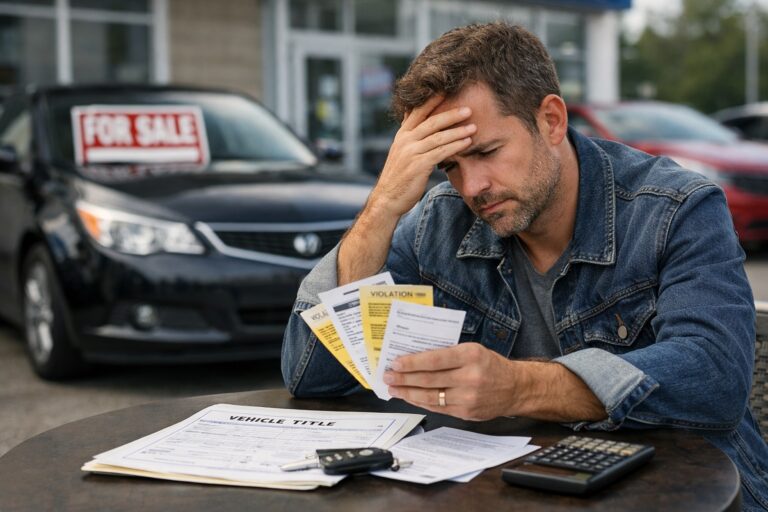
Can I sell my car with outstanding tickets? This is a common question for vehicle owners who are ready to transfer ownership but still have unpaid parking tickets, traffic fines, or toll violations tied to the vehicle. The answer depends on several factors, including your state laws, the type of tickets, and whether the fines are linked to you personally or to the vehicle’s registration.
If you are planning to sell your car privately or through a dealership, it is important to understand how outstanding tickets can affect the title transfer process, registration status, and your legal responsibility after the sale. Ignoring unpaid tickets can delay or even prevent the transaction.
This guide explains what you need to know before selling a car with unpaid tickets, how to avoid complications, and what steps you can take to protect yourself.
Do Outstanding Tickets Prevent You From Selling Your Car?
In many cases, unpaid tickets do not automatically stop you from selling your car. However, they can create complications during the ownership transfer process.
Whether you can legally sell your car with outstanding tickets depends on:
- State Department of Motor Vehicles regulations
- Whether the tickets are linked to the driver or the vehicle
- If there is a registration hold or title hold
- The amount owed and whether it has gone to collections
Registration Holds and Title Issues
Some states place a registration hold on vehicles with unpaid parking tickets or toll violations. If there is a hold, you may not be able to:
- Renew your registration
- Transfer the title
- Obtain a clean title for the buyer
If your registration is suspended due to unpaid fines, it can make selling the vehicle more difficult. Buyers often want a clean transfer with no legal complications.
Before listing your vehicle for sale, check with your local DMV to confirm whether any holds exist.
Are Tickets Tied to the Driver or the Vehicle?
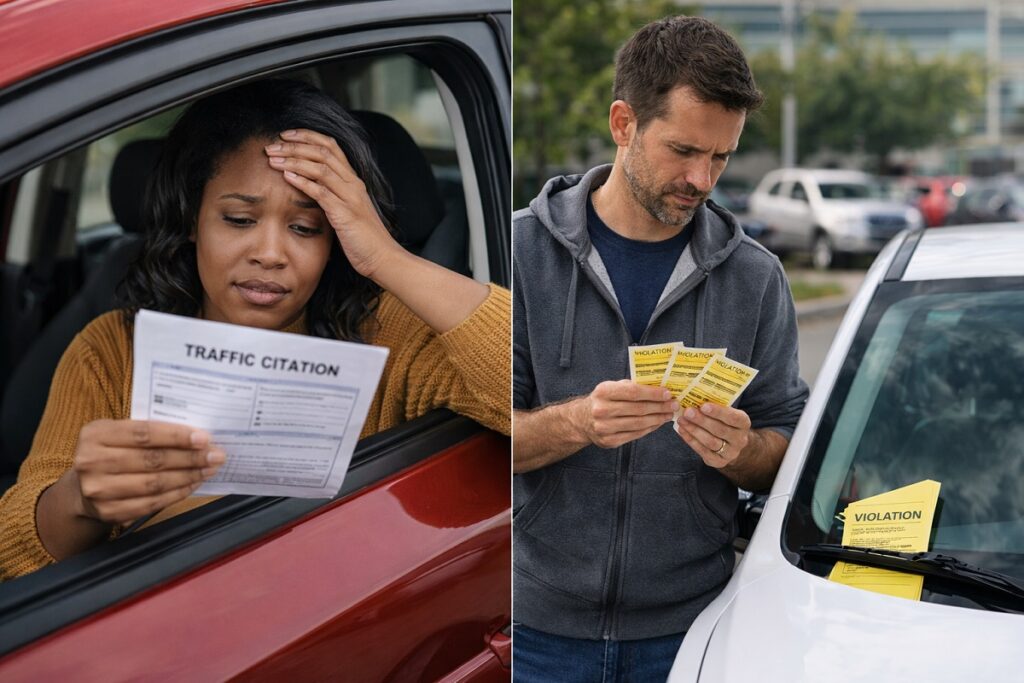
Understanding how your tickets are recorded is critical when asking, can I sell my car with outstanding tickets?
Tickets Tied to the Driver
Moving violations such as speeding or reckless driving are usually linked to your driver’s license. In this case:
- The fine follows you, not the car
- Selling the car does not remove your obligation
- The buyer is not responsible for your unpaid ticket
However, if your license is suspended due to unpaid traffic fines, that does not directly prevent you from selling the vehicle, but it may complicate registration paperwork in some states.
Tickets Tied to the Vehicle
Parking tickets, red light camera tickets, and toll violations are often tied to the vehicle’s license plate and registration.
In these cases:
- The registered owner is responsible
- Unpaid tickets can lead to registration blocks
- The vehicle record may show outstanding violations
If the violations are still attached to the car at the time of sale, you could remain liable if proper transfer procedures are not followed.
Can a Buyer Be Affected by Your Unpaid Tickets?
Buyers are typically cautious when purchasing a used vehicle. If you are selling a car with outstanding tickets, it can impact the transaction in several ways.
Potential Buyer Concerns
- Delays in title transfer
- Inability to register the vehicle
- Risk of inherited penalties
- Concerns about hidden legal issues
Although most unpaid tickets remain the responsibility of the previous owner, unresolved vehicle related fines can cause administrative headaches for the new owner.
For this reason, many buyers request proof that there are no outstanding violations before completing the purchase.
How to Check for Outstanding Tickets Before Selling
If you are wondering, can I sell my car with outstanding tickets, the first step is to confirm exactly what is owed.
You can check by:
- Visiting your state DMV website
- Searching your license plate number online
- Checking municipal court records
- Contacting your local traffic violations bureau
Make sure to verify:
- Total outstanding balance
- Whether any tickets are in collections
- If there are registration or title holds
- Deadlines and late fees
Having accurate information allows you to decide whether to pay the tickets before selling or disclose them to the buyer.
Should You Pay the Tickets Before Selling?

While you may legally be able to sell your car with outstanding tickets in some states, paying them off first is often the safest option.
Benefits of Paying Before the Sale
- Smoother title transfer
- No risk of registration denial
- Increased buyer confidence
- Faster closing of the sale
- Avoiding additional penalties and interest
Unpaid tickets can accumulate late fees quickly. In some cases, unpaid fines can result in:
- License suspension
- Vehicle registration suspension
- Collections action
- Credit score impact
Clearing your outstanding balance can protect you financially and simplify the transaction.
Selling to a Dealership vs Private Buyer
Where you sell your car can make a difference when outstanding tickets are involved.
Selling to a Dealership
Dealerships often conduct title and vehicle record checks. If there are registration holds or outstanding vehicle related violations, they may:
- Require you to resolve the issue before purchase
- Deduct the amount owed from your offer
- Refuse the transaction
Dealers want a clean title they can resell without complications.
Selling to a Private Buyer
Private sales can be more flexible, but they also carry risks.
If you choose to sell privately:
- Disclose any known issues honestly
- Complete a bill of sale
- Submit a release of liability immediately
- Remove your license plates if required by state law
Filing a release of liability protects you from future tickets or violations after the sale date.
What Happens If You Sell Without Resolving Tickets?
Selling your vehicle without handling outstanding tickets can create long term problems.
You May Still Be Liable
If the ownership transfer is not properly recorded, future violations may still appear under your name.
This can happen if:
- The buyer delays registering the car
- The title transfer paperwork is incomplete
- You fail to notify the DMV
Additional Penalties Can Accumulate
Unpaid tickets often increase over time due to late fees and penalties. Some jurisdictions can:
- Send the debt to collections
- Garnish wages
- Suspend vehicle registration
- Boot or impound vehicles registered in your name
Even if the car is sold, unresolved fines remain your responsibility.
Steps to Protect Yourself When Selling
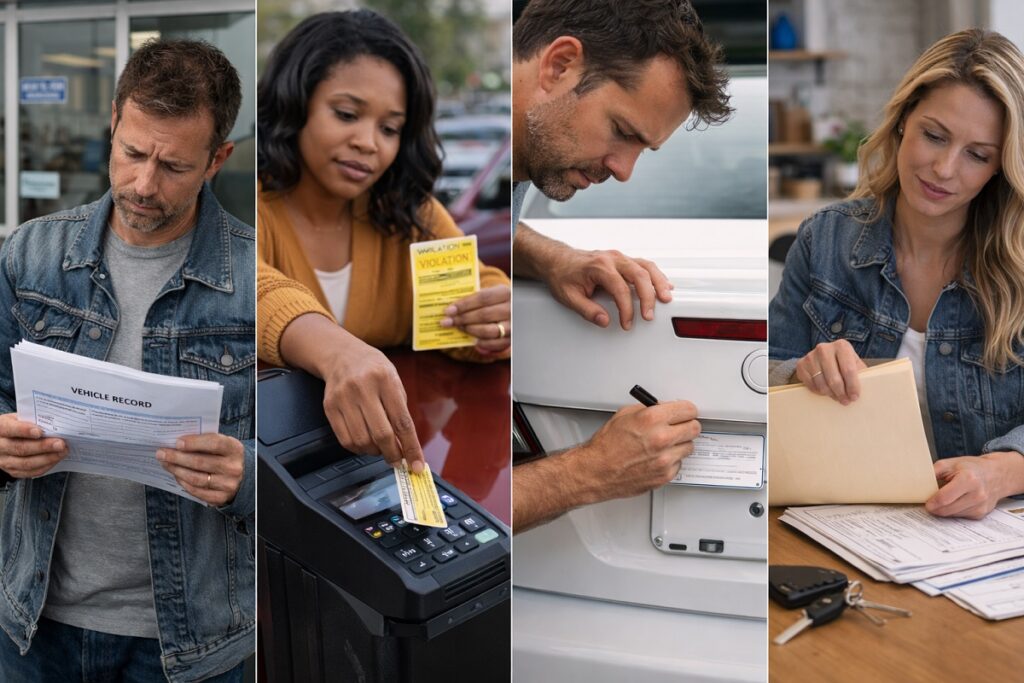
If you are asking, can I sell my car with outstanding tickets, you should also focus on protecting yourself legally.
1. Obtain a Vehicle Record
Request a vehicle record from your DMV to confirm there are no hidden holds.
2. Pay or Settle Outstanding Fines
If possible, resolve unpaid parking tickets, toll violations, and traffic fines before listing the vehicle.
3. Complete All Required Paperwork
Make sure to:
- Sign the title properly
- Provide a bill of sale
- Submit a notice of transfer or release of liability
- Remove plates if required
4. Keep Documentation
Save copies of:
- Bill of sale
- Payment receipts for tickets
- Title transfer confirmation
- Release of liability submission
This documentation protects you in case disputes arise later.
Does Selling the Car Remove Ticket Responsibility?
Selling the car does not erase outstanding tickets issued while you owned it.
If the ticket was issued before the sale date, you remain responsible for:
- Paying the fine
- Handling court appearances
- Addressing collections notices
Once the sale is properly recorded, new violations issued after the transfer date should no longer be your responsibility.
Accurate paperwork is essential to prevent future legal or financial issues.
Common Situations That Cause Confusion
There are several scenarios that frequently cause misunderstandings when selling a car with unpaid tickets.
Expired Registration Due to Tickets
If your registration expired because of unpaid fines, you may not be able to legally drive the vehicle to show it to buyers. This can limit your selling options.
Tickets Sent to Old Address
Sometimes vehicle owners are unaware of outstanding violations because notices were mailed to an outdated address. Checking your vehicle record before selling helps prevent surprises.
Toll Violations and Automated Tickets
Automated enforcement systems can issue tickets weeks after the violation occurs. If you sell the car shortly after a toll violation, you may still receive a notice later.
Keeping track of sale dates and submitting a release of liability promptly helps clarify responsibility.
How Outstanding Tickets Affect Car Value
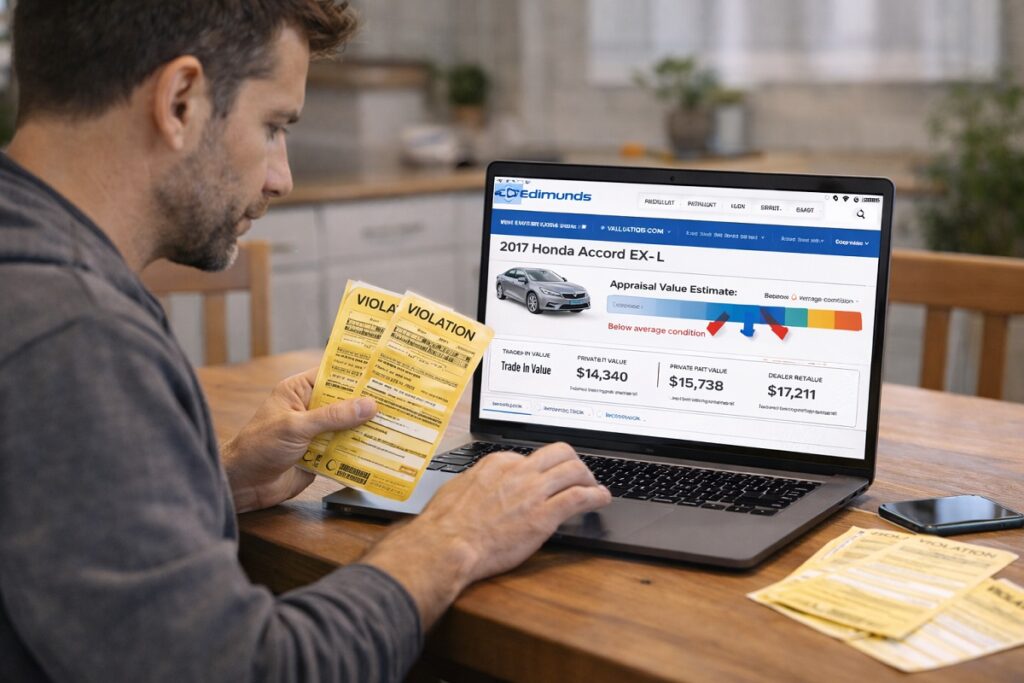
Buyers often negotiate price if there are unresolved issues attached to the vehicle.
Unpaid tickets can:
- Lower buyer confidence
- Delay closing
- Reduce dealership offers
- Increase administrative costs
A clean title and clear vehicle record make your car easier to sell and can help you secure a better price.
Key Takeaways for Selling a Car With Outstanding Tickets
If you are asking, can I sell my car with outstanding tickets, the answer is often yes, but with caution.
Before selling:
- Confirm whether tickets are tied to you or the vehicle
- Check for registration or title holds
- Consider paying outstanding fines
- File all ownership transfer paperwork immediately
- Keep detailed records
Taking these steps reduces legal risk and ensures a smoother transaction.
Selling a car should be straightforward. Handling unpaid parking tickets, traffic violations, and toll fines in advance can prevent delays, protect your finances, and give both you and the buyer peace of mind.
Content reviewed and published by Sell My Car Colorado Editorial Team.